

Author
Kim Whitley
Scientific Content Manager
Author
Kim Whitley
Scientific Content Manager
The World Vaccine Congress US, held in Washington from March 30–April 2, brought together global leaders from across vaccine R&D, clinical development, regulation, and commercial strategy to address the evolving needs of the field, as the sector continues to adapt to funding considerations, shifting public perception, and the drive to innovate more efficiently.
We were pleased to contribute to this year’s program, with Leon De Waal, Principal Scientist, Ph.D., presenting in the emerging and re-emerging infectious disease track. He highlighted how scientifically robust preclinical and clinical strategies can help address ongoing global health challenges, even within a difficult funding and policy landscape.
A recurring theme throughout the event was the challenging funding environment, particularly in the United States. Reduced investment from major public funding bodies is having a global impact, influencing vaccine development from early discovery through late-stage clinical programs.
Despite these pressures, the overall tone of the conference remained constructive. Many speakers emphasized the importance of diversifying funding strategies, increasing international collaboration, and continuing to invest in innovation to ensure vaccine pipelines do not stall.
There was also a strong consensus that vaccine development remains a global public health priority, especially as emerging and re-emerging pathogens continue to pose significant risk.
Across the emerging diseases track, discussions reinforced the importance of maintaining proactive preparedness in the face of an evolving infectious disease landscape. Rather than reacting to outbreaks as they occur, speakers emphasized the need for sustained scientific investment, early insight, and long-term development strategies.
Together, these discussions underscored the importance of continued vigilance and preparedness, even for diseases that have historically been considered well controlled, and reinforced the role of robust science in supporting global vaccine readiness.
As part of the emerging and re-emerging diseases track, Leon De Waal, Principal Scientist, Ph.D., delivered a presentation titled “Tackling tomorrow’s threats: innovation to address emerging pandemic potential influenza and reemerging poliovirus.”
Drawing on scientific data and real-world project experience, Leon demonstrated how innovation across the development pipeline can support global vaccine preparedness and more informed decision-making.
The presentation concluded by highlighting the importance of innovation not only in pathogen focus and vaccine platforms but also in preclinical strategy, including the growing role of alternative models aligned with evolving regulatory expectations.
Alternative preclinical approaches emerged as an increasingly important theme, reflecting both evolving regulatory expectations and a broader drive toward more predictive, efficient development strategies.
Several sessions referenced the 3 Rs framework:
These approaches were positioned not only as an ethical consideration but also as a scientific opportunity to improve data relevance, support earlier decision-making, and reduce downstream development risk. As regulatory bodies continue to encourage movement away from traditional animal models, investment in well-validated alternative preclinical strategies is increasingly viewed as both a scientific and strategic priority.
Poster content revealed clear trends across the field, with the majority focused on immunogenicity studies. Immunogenicity is a key area of research and has been used to evaluate a vaccine’s ability to induce a functional immune response, measuring antibody production, T-cell activation, and memory cell formation. These studies are critical for selecting vaccine candidates, optimizing doses, and setting immunization schedules. Further studies also highlighted:
mRNA-based platforms received relatively limited attention in the infectious disease space, reflecting current regional funding priorities.
While infectious disease dominated much of the program, several sessions explored cancer vaccines, often also referenced as precision neoantigen therapies.
These sessions highlighted the following:
This convergence further reinforced the value of end-to-end development support, from early modeling through clinical testing.
Looking forward, several persistent challenges were emphasized throughout the congress:
Even against a backdrop of financial uncertainty and evolving public perception, the congress revealed a sector that remains highly collaborative and firmly committed to scientific progress and innovation.
For organizations involved in vaccine development, the message was consistent: future success will depend on adaptability, partnership, and scientifically driven decision-making across the entire development pathway.
Looking to move your vaccine program forward? Connect with our team to explore how our integrated scientific expertise can help address today’s development challenges.
Explore RSVW 2026 insights on RSV research, covering antivirals, vaccines, maternal immunization, monoclonal antibodies, and whole genome sequencing advances.
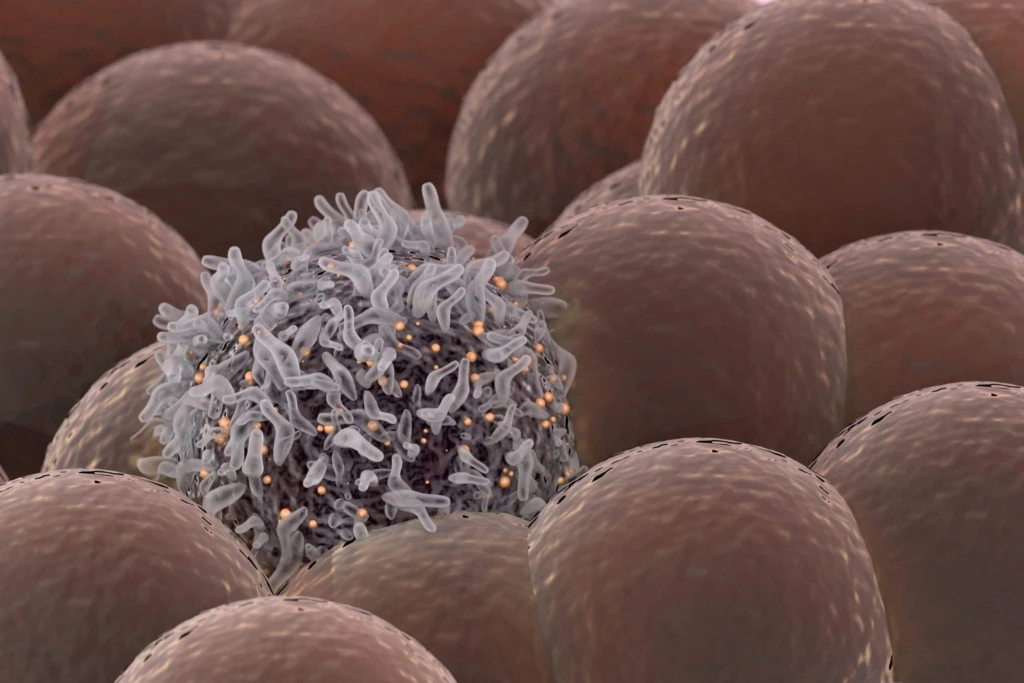
Discover how to validate tumor antigen expression with IHC and avoid the HER2-low and PD-L1 pitfalls that skew patient selection and trial outcomes.
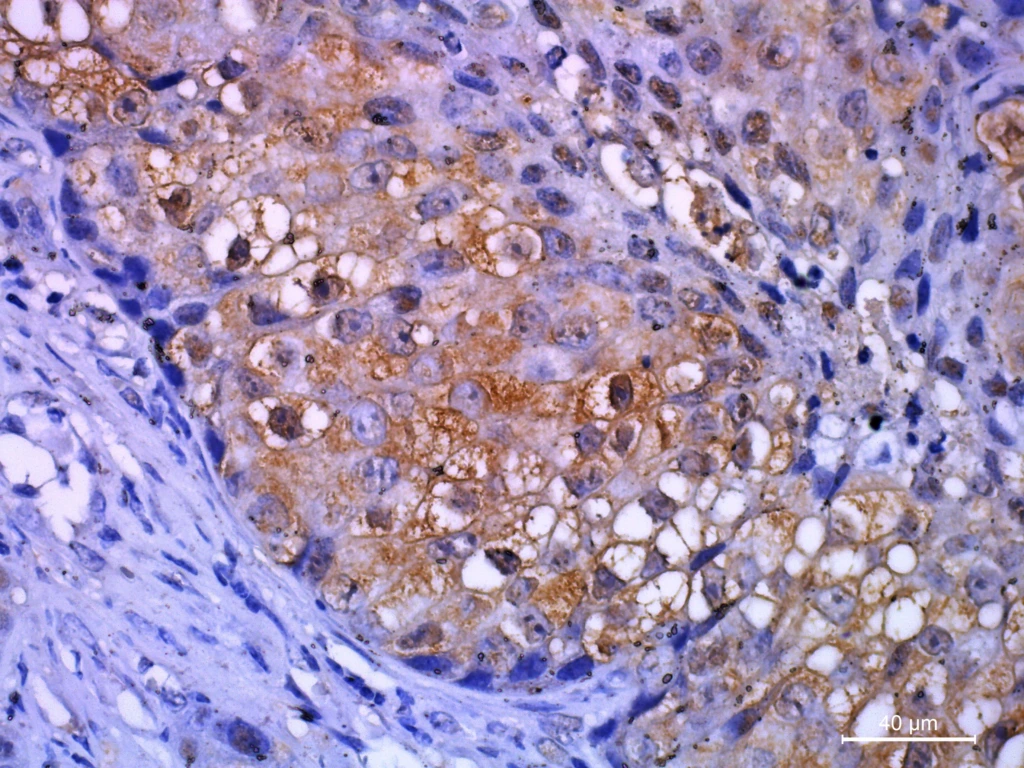
Explore key insights from Options XIII, including advances in influenza vaccine development, immune response measurement, viral sequencing, and surveillance strategies shaping the future of respiratory research.
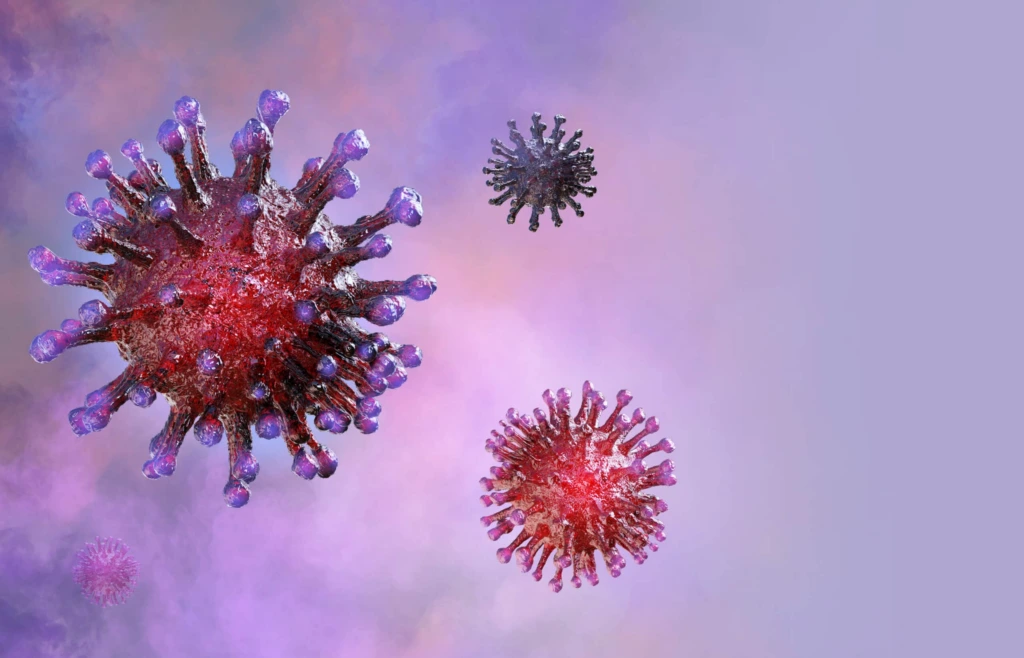
Up to 80% of relapses after targeted therapy are driven by pre-existing resistant subclones. Discover how deep NGS enables their detection and supports effective tracking of tumor evolution and resistance.