Get in touch with us
M2 Headers (4)

Advancing Your Inflammation and Immunology Research

Strengthen your clinical programs with harmonized global testing, expert scientific partnership, and actionable immune insights.

Speed and agility in clinical trials have never been more important. Inflammation and immunology (I&I) protocols are becoming increasingly complex and face unique challenges, from diverse biomarker requirements and rare patient populations to the need for precise characterization of intricate immune pathways.

Success depends on partnering with a laboratory services provider that delivers scientific excellence, operational efficiency, and global consistency across every study phase.

Cerba Research combines deep immunology expertise with a global laboratory network to support your I&I programs. Our integrated capabilities span immune cell phenotyping, tissue-based analyses, molecular diagnostics, and multiplex biomarker profiling – from early discovery through late-phase trials.

frame_1000 (6)

Why choose us for your I&I trial?

Supporting your inflammation and immunology trials

We provide comprehensive analytical solutions to support the development of therapies targeting immune-mediated and inflammatory diseases.

Our integrated laboratory capabilities enable deep characterization of immune responses, inflammatory pathways, and tissue-level biology across all phases of clinical development.

Immune characterization and profiling

Tissue and spatial analysis

Molecular and genomic insights

Immunogenicity and monitoring

Immune characterization and profiling

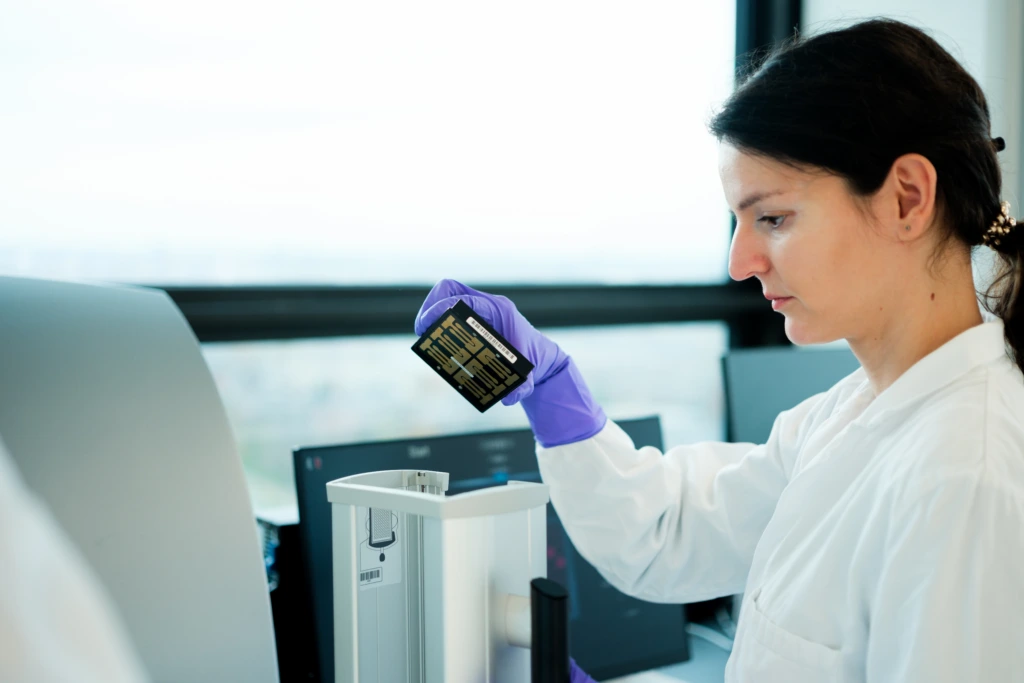
Understanding immune cell behavior is essential to characterizing inflammatory diseases and therapeutic response. We apply advanced cellular and functional immunology methods to deliver precise, reproducible insights across trial phases.

Our techniques and approaches include:
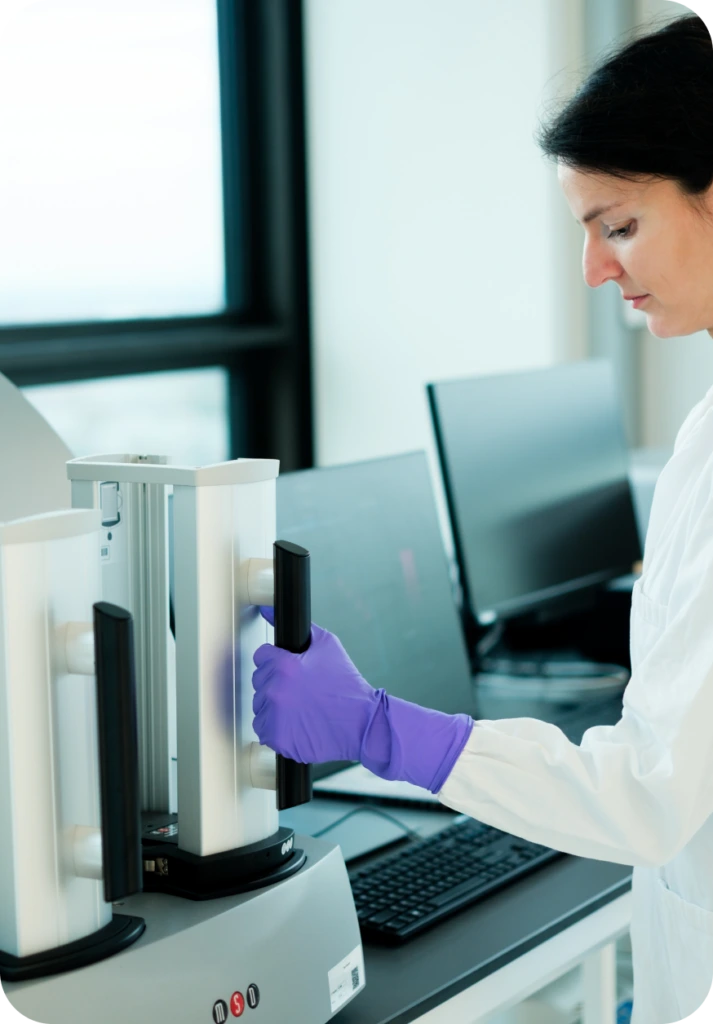
  • Conventional flow cytometry with the BD FACSLyric™ for clinical, routine, and research
applications (up to 12 colors)
  • Spectral flow cytometry with the Cytek® Aurora for high-parameter (40+ color) analyses, including detailed immune cell phenotyping, activation-state profiling, and receptor occupancy assessment
  • Functional T cell assays, including intracellular cytokine staining (ICS), enabling characterization of Th1/Th2/Tc responses, cytokine production, and pathway activation.
  • TCR/BCR repertoire sequencing for evaluating clonal diversity, immune engagement, and inflammatory disease mechanisms
  • PBMC/BMMC isolation and processing to support downstream cellular and molecular analyses
  • Multiplex cytokine profiling (e.g., MSD 37-plex panels) for quantifying inflammatory mediators and pharmacodynamic biomarkers
  • Targeted immunoassays for high-specificity measurement of soluble biomarkers.
  • Immune cell monitoring tailored to advanced therapies, including enumeration and phenotyping of engineered or CAR-expressing cells in cell and gene therapy programs
frame_919 (5)

Tissue and spatial analysis

Inflammatory and autoimmune diseases manifest at the tissue level, requiring integrated morphological and molecular approaches to understand disease drivers and microenvironment dynamics.

Our techniques and approaches include:

  • Histopathology with expert GI, dermal, and inflammatory pathology review for assessing tissue injury, remodeling, and immune infiltration
  • Immunohistochemistry (IHC) and simplex and multiplex, using an extensive library of 250+ validated biomarkers to localize immune and structural markers within tissues
  • Digital pathology and image analysis using Halo® and Visiopharm®, enabling quantitative, reproducible biomarker scoring
  • Spatial biology profiling with NanoString GeoMx® DSP to map gene and protein
expression across microanatomical regions
  • ISH/RNAScope® and FISH assays for visualizing RNA and DNA targets involved in inflammatory pathway activation
frame_919 (7)

Molecular and genomic insights

Molecular profiling reveals the pathways underlying immune dysregulation, treatment response, and patient heterogeneity. Our genomics and molecular diagnostics teams deliver high-fidelity data across a wide range of inflammatory and immune-mediated disorders.

Our techniques and approaches include:
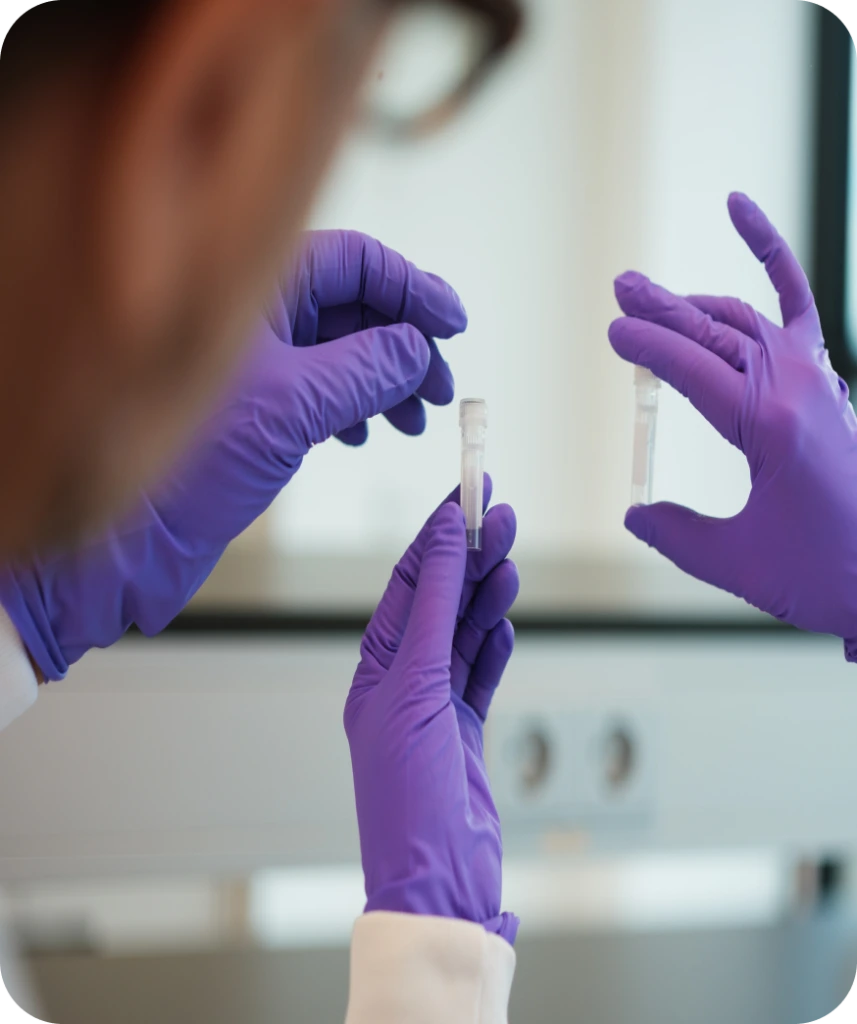
  • Next-generation sequencing (NGS) including custom and broad immune-related panels, Whole Exome Sequencing (WES), Whole Genome Sequencing (WGS), and RNA sequencing (RNAseq)
  • Digital PCR and qPCR for sensitive detection of inflammatory gene variants, expression changes, and cytokine pathway markers
  • HLA typing and associated immunogenetics testing for patient stratification and safety risk assessment
  • TCR/BCR sequencing to assess adaptive immune responses in autoimmune and 
inflammatory settings
  • Specialized immune-related gene panels, including IBD, ALS, and immunodeficiency panels, with standardized workflows across global laboratories
frame_919 (8)

Immunogenicity and monitoring

Monitoring immune response to biologics, biosimilars, and advanced therapies is critical to ensuring safety, efficacy, and regulatory compliance. Cerba Research offers harmonized global workflows for sensitive and reliable immunogenicity testing.

Our techniques and approaches include:
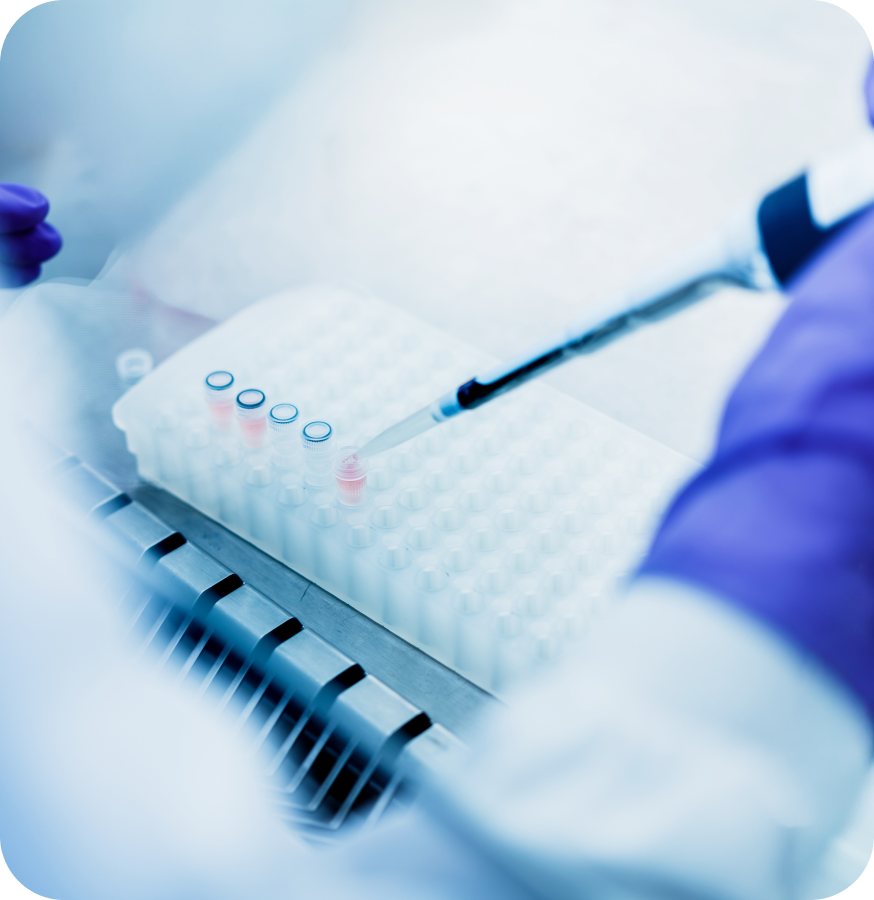
  • Ligand-binding assay (LBA) workflows are supported across ELISA, ELLA, and MSD for the detection of anti-drug antibodies (ADA) and neutralizing antibodies (NAb)
  • Pharmacokinetic (PK) testing to characterize exposure-response relationships and
therapeutic levels
  • Multiplex immunoassay platforms, including MSD-based cytokine panels, to evaluate immune activation and systemic inflammatory response
  • Specialized immunogenicity and vector-related assessments used in cell and gene therapy trials, including anti-AAV screening and other modality-specific immune response assays
frame_919 (9)

Delivering measurable clinical impact

210+
I&I clinical trials supported
Duotone_Clinical-Trial
~70%
trials include
specialty testing
Duotone_Immunochemistry
30,400
patients screened
Duotone_Patients
20,300+
patients randomized across global programs
Duotone_Globe
22
market authorizations and expansions supported
Duotone_Tick

Our locations and technologies

Global labs and Centers of Excellence
for inflammation and immunology

Our I&I work is enabled by globally
aligned labs and Centers of Excellence with harmonized SOPs.

Histopathology/IHC
United States, France, Taiwan, China

Flow cytometry
United States, Belgium, Taiwan, China, Australia

Genetics and genomics
France, Netherlands, Taiwan, United States

Immunoassays
Belgium, Netherlands, France, South Africa, United States, Canada, China

Property 1=Tab-2, Property 2=Default

Technologies used in inflammation and immunology programs

We use flow cytometry, next-generation sequencing, immunoassays, and tissue-based platforms to deliver actionable data for your inflammation and immunology studies.

Conventional flow cytometry (BD FACSLyric™)

Spectral flow cytometry (Cytek® Aurora)

AI‑driven analytics for flow cytometry (Ozette)

Next‑generation sequencing (NGS) (Illumina®)

Immunohistochemistry and spatial biology 
(IHC, NanoString® GeoMx®)

Immunoassays (ELISA, MSD™ [Meso Scale Discovery], ELLA™, ELISpot)

Meet us at ASH 2026

Join us from 12-15 December in New Orleans, Louisiana, for the 68th ASH Annual Meeting: the premier event in classic and malignant hematology.

ASH-2026

Move your I&I therapy forward with confidence

Connect with our team to discuss assay development, custom biomarker solutions, or global laboratory support.

More inflammation and immunology content

Blog

Combining Flow Cytometry, IHC, and NGS in Immuno-oncology: The Essential Trio for Biomarker Assessment Success

Learn how integrating FCM, IHC, and NGS enables comprehensive biomarker assessment and better outcomes.

Abstract microscope imaging view of biological sample
Guide

Immuno-oncology Clinical trials: Considerations in Managing Speciality and Central Laboratory Services for Success

Discover biomarker strategies and specialized testing approaches supporting successful immuno-oncology clinical trials.

Abstract microscope view of biological cell sample
Webinar

Immuno-Oncology Biomarkers: From Exploratory Research to Trials

Explore biomarker identification and implementation across immuno-oncology research and clinical trial development.

Immuno‑Oncology Biomarkers- From Exploratory Research to Trials

Inflammation and
immunology FAQ