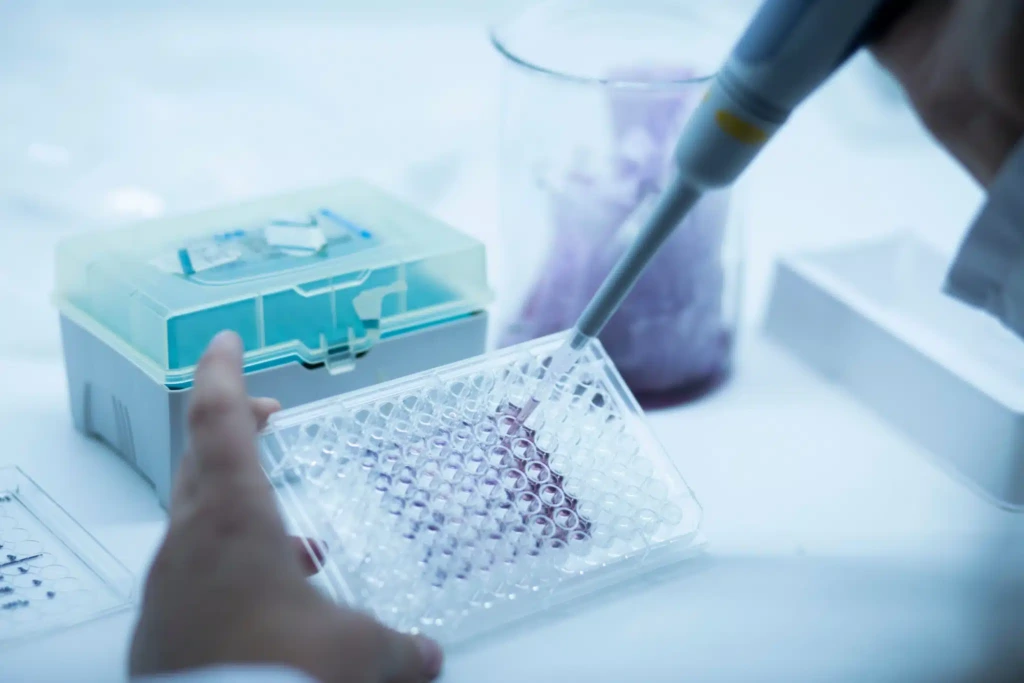
Next-generation sequencing (NGS)
Extend your spatial findings with NGS to validate targets, explore genomic alterations, and support biomarker discovery across tissue and liquid samples.

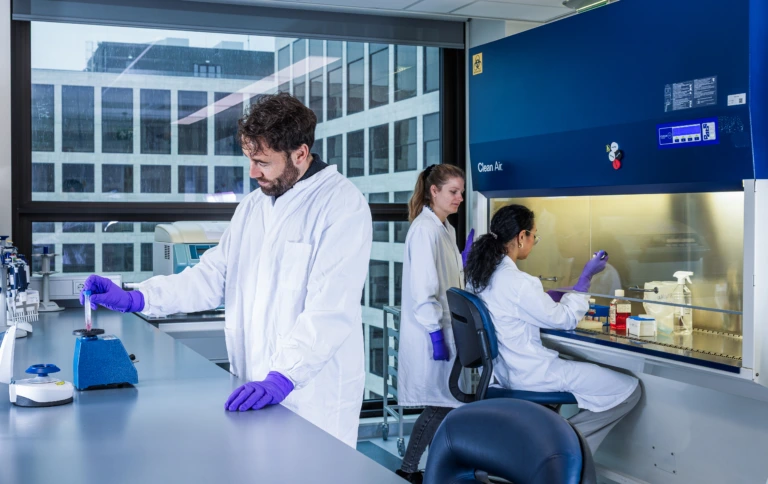
Turn spatial data into clinically relevant insight with integrated transcriptomic and proteomic analysis.
As translational and clinical research studies increasingly focus on heterogeneity and microenvironment-driven responses, combining molecular data with spatial context becomes essential – not only to generate clinically meaningful insights but also to better inform patient stratification, treatment strategies, and outcomes.
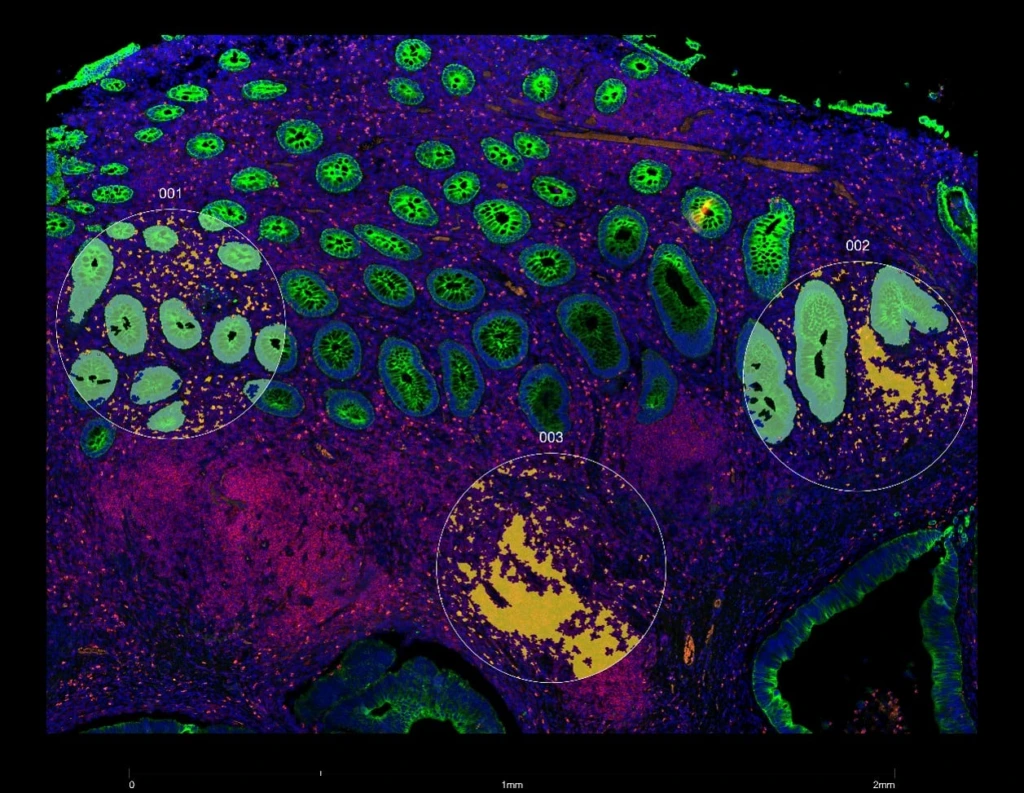
We support spatial omics applications across preclinical, translational, and clinical programs, delivering quantitative analysis of both proteins and transcripts from tissue samples. Our flexible workflows enable both bulk and spatially resolved approaches, targeting defined regions of interest or specific cell populations within tissue sections.
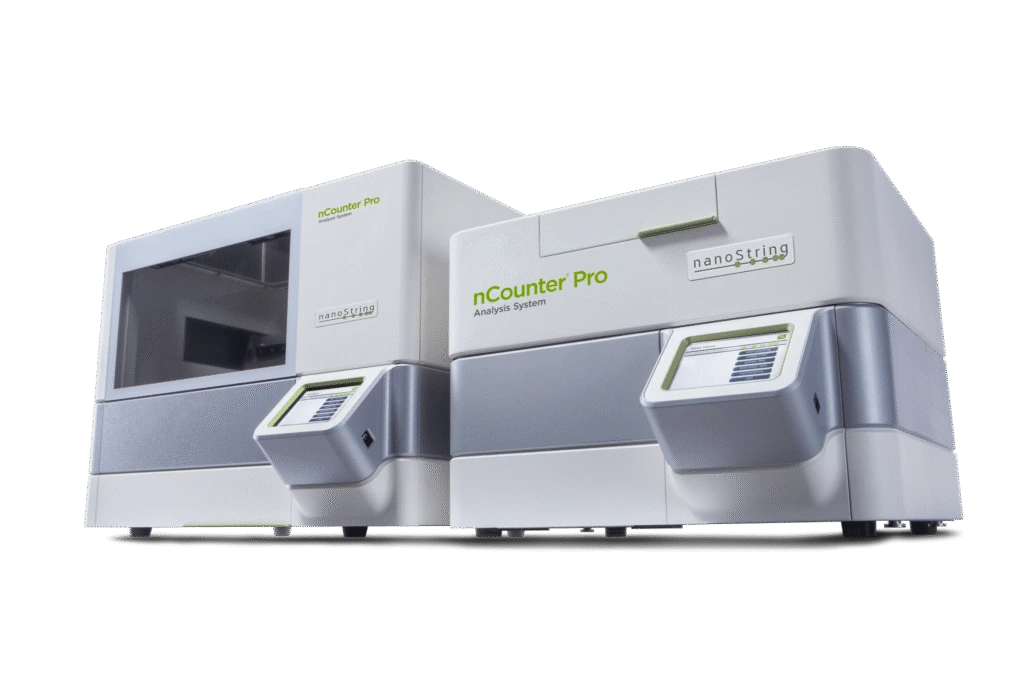
Our laboratories are equipped with NanoString™ nCounter® and GeoMx® platforms, allowing you to select the most appropriate approach based on your study objectives, sample type, and required level of spatial resolution.
We work with you to define study design, including region-of-interest selection and biomarker strategy. By combining histopathology, spatial technologies, and bioinformatics, we generate robust datasets that support confident decisions – and help move the right therapies closer to patients.
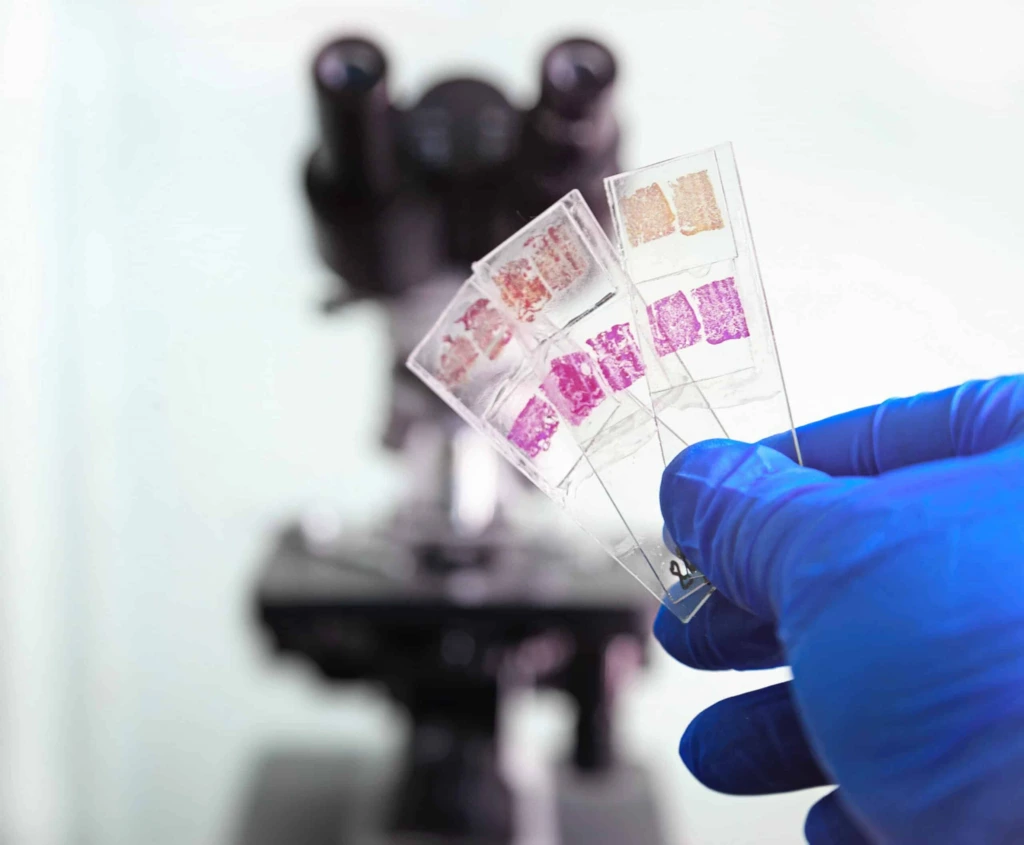
The NanoString nCounter platform provides sensitive, multiplexed quantification of RNA and protein targets, making it well suited for both exploratory and translational studies across a wide range of sample types.
Spatial omics data becomes more valuable when combined with complementary molecular and analytical approaches. Our broader capabilities help you generate deeper insights and translate findings into clinical impact.
Extend your spatial findings with NGS to validate targets, explore genomic alterations, and support biomarker discovery across tissue and liquid samples.
Develop and validate custom assays to translate spatial insights into robust, scalable biomarkers for clinical development and regulatory use.