Get in touch with us
Close up of purple-gloved hands holding blue laboratory container

IVDR-Ready Specialty Laboratory Support for Clinical Trial Assays

Delivering regulatory confidence without slowing clinical progress.

Diagnostic and biomarker assays are woven through every phase of a modern clinical trial, from patient selection and stratification to safety monitoring and primary end points. For organizations developing in vitro diagnostics, ensuring your assay strategy aligns early with IVDR requirements is critical – not optional.

Under IVDR, the European Union’s regulation governing in vitro diagnostics (IVDs), assays supporting clinical decision-making face more rigorous requirements for performance evidence, risk classification, and regulatory oversight. A key challenge lies in aligning assay design, intended use, validation strategy, and evidence generation with regulatory expectations — a misalignment that can surface late in development, when the cost and impact of correction are highest.

We work with pharmaceutical and biotechnology sponsors, CROs, and IVD developers to address this challenge early through IVDR-compliant specialty laboratory services spanning assay strategy, intended use definition, and performance evidence generation. 

Whether you’re transitioning from IVDD or launching a new program, our specialists can help you build an evidence strategy that supports IVDR requirements from the outset, helping reduce regulatory risk without slowing your trial down.

Close up of multichannel pipette positioned above a transparent laboratory well plate B

Why choose Cerba Research for IVDR-ready clinical testing?

Expert-led IVDR strategy
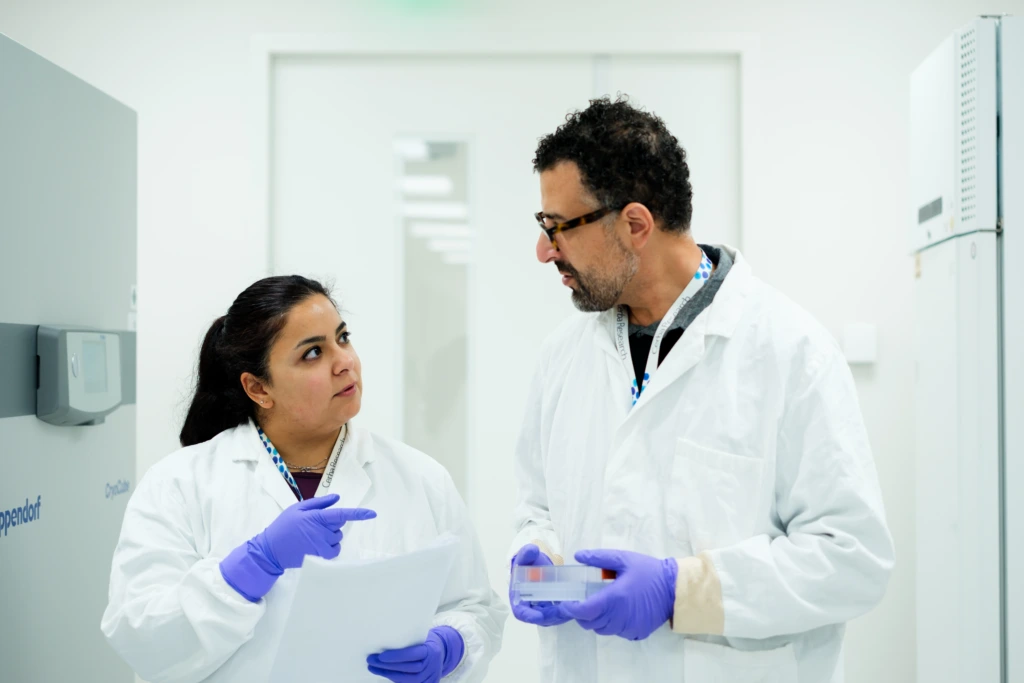
Scientists discussing workflow in laboratory corridor
  • Intended use definition aligned to trial endpoints
  • CE-marked versus laboratory-developed test (LDT) pathway assessment
  • Risk-based validation planning from the outset

Accredited specialty laboratories

Close up laboratory pipette array above sample plate
  • ISO 15189-accredited health institutions
  • Proven inspection-ready quality systems
  • Controlled execution under regulated conditions

End-to-end evidence generation

Medium shot of two scientists reviewing laboratory documentation
  • Scientific validity, analytical performance, and clinical performance
  • Performance Evaluation Report (PER)-ready datasets
  • Documentation structured for regulatory scrutiny

Built for clinical trials

Close up of scientist working with samples in a safety cabinet B
  • Designed for enrollment, monitoring, and endpoint assays
  • Sponsor- and CRO-friendly workflows
  • No compromise on timelines or data usability

Two IVDR-compliant routes for clinical trial assays

Depending on assay availability and trial requirements, our sponsors typically follow one of two IVDR-compliant pathways.

Route 1: CE-Marked IVD Assays

CE-marked assays that comply with IVDR may be used in clinical trials when performed strictly according to the manufacturer’s validated instructions for use.

Key advantages:

Reduced regulatory complexity

Faster deployment within clinical protocols

High predictability during inspections and audits

Harmonized acceptance across EU Member States

CE-marked assays are strongly preferred for patient enrollment and primary endpoint determination, where the highest evidentiary standards apply.

Extremem close-up of pipette tips over microplate

Route 2: LDTs under Article 5(5)

Where no appropriate CE-marked assay exists, laboratories may develop and use in-house tests under the IVDR Article 5(5) exemption, provided strict conditions are met.

IVDR requirements include:

The laboratory qualifies as a health institution under EU or national law

Full demonstration of scientific validity, analytical performance, and clinical performance

Formal justification that no equivalent CE-marked assay is available

Robust technical documentation and ongoing compliance oversight

Cerba Research’s laboratories operate under ISO 15189 accreditation, enabling controlled, defensible execution of IVDR-compliant LDTs within regulated clinical trial environments.

From assay concept to IVDR-ready evidence

Access end-to-end Article 5(5) LDT expertise with integrated laboratory and regulatory-aligned support, across the full IVDR evidence lifecycle.

Assay strategy and design

Analytical performance validation

Clinical performance and evidence generation

IVDR documentation and reporting

Post-market obligations

Assay strategy and design

  • Intended use definition aligned to study objectives, patient populations, and clinical decision-making requirements
  • Selection of appropriate technology platforms, including PCR, next-generation sequencing (NGS), immunoassays, flow cytometry, and mass spectrometry, based on assay complexity, throughput, and study needs
  • Cross-functional scientific and operational input supporting assay feasibility, biomarker strategy, comparator planning, and workflow implementation
  • Early alignment between assay design, protocol requirements, and study execution considerations to reduce delays and downstream rework
Close up of multichannel pipette positioned above a transparent laboratory well plate C

Analytical performance validation

  • Design and execution of fit-for-purpose analytical validation studies tailored to enrollment assays, safety monitoring assays, and exploratory biomarkers
  • Assessment of assay sensitivity, specificity, precision, reproducibility, stability, and reportable range under routine laboratory operating conditions
  • Verification of assay robustness across operators, instruments, reagent lots, and sample types to support consistent performance throughout clinical studies
  • Generation of structured validation datasets and supporting documentation for sponsor review and regulatory submission activities
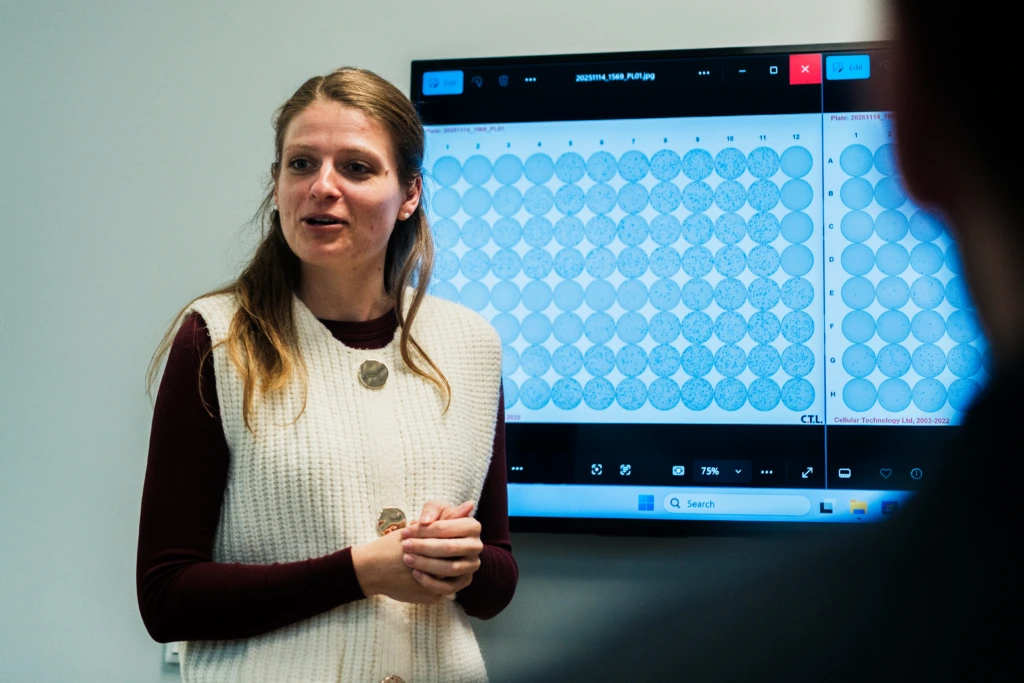
Scientist presenting microplate analysis on digital display

Clinical performance and evidence generation

  • Clinical performance studies supporting evaluation of assay concordance, clinical sensitivity, specificity, and intended use within defined patient populations
  • Access to retrospective and prospective biospecimen collections supporting oncology, infectious disease, hematology, and advanced therapy programs
  • Comparator method studies and equivalency assessments supporting assay optimization, bridging strategies, and transition into regulated clinical use
  • Data generation workflows designed to support study milestones, evidence planning, and downstream reporting requirements
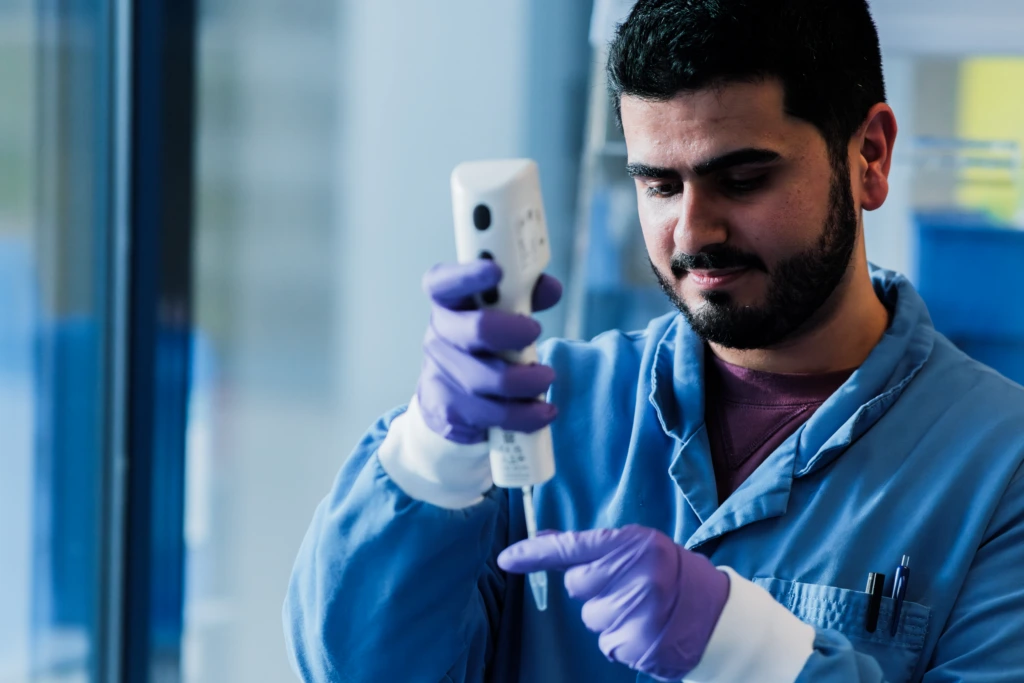
Medium close up of male scientist using electronic pipette D

IVDR documentation and reporting

  • Preparation of structured assay documentation including Performance Evaluation Reports (PERs), Scientific Validity Reports, validation summaries, and supporting technical records
  • Compilation of evidence packages aligned to sponsor, CRO, and laboratory quality documentation requirements
  • Support for risk assessments, traceability documentation, and technical file organization across the assay lifecycle
  • Collaboration with sponsor and quality teams to facilitate audit readiness, documentation review, and submission preparation
Close up taken over shoulder of female scientist taking notes

Post-market obligations

  • Ongoing assay performance monitoring and periodic review activities to support long-term consistency and compliance oversight
  • Management of incident assessment, deviation investigations, and corrective action workflows within accredited quality systems
  • Controlled change management processes covering assay updates, reagent changes, instrumentation adjustments, and workflow modifications
  • Maintenance of supporting documentation, trend analysis, and surveillance activities throughout continued assay use
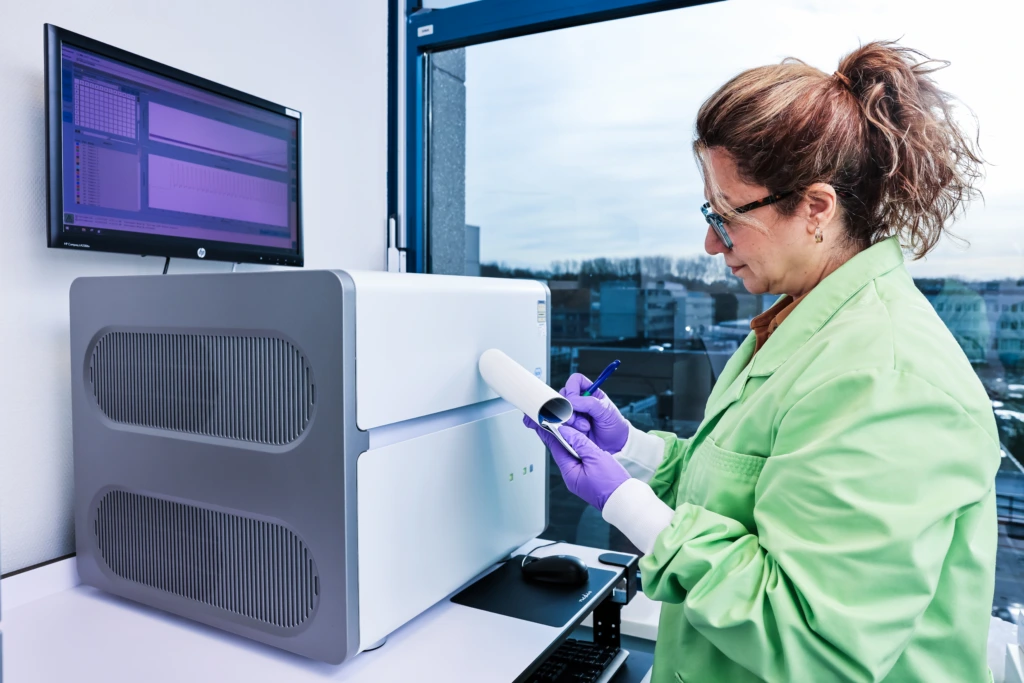
Medium shot of female scientist in green lab coat at laboratory analyser

IVDR-compliant Centers of Excellence

Cerba Laboratory: Frépillon, France

Your trusted lab for IVDR-compliant specialty testing:

ISO 15189 accredited

Largest specialty laboratory in Europe

Over 50 years of diagnostic expertise

15+ years supporting CROs, biotechs, and IVD developers

High-throughput capacity exceeding 55,000 tests per day.

Technical expertise includes molecular diagnostics, immunoassays, flow cytometry, mass spectrometry, chromatography, and P3-level biosafety facilities supporting infectious disease, genetics, hematology, toxicology, and pharmacology.

Portrait of scientist using laboratory microscope

Cerba Research: Netherlands (Cell and gene therapy)

We deliver IVDR-compliant AAV serology testing to support gene therapy clinical trials, identifying pre-existing anti-AAV antibodies that may impact safety, transduction efficiency, and clinical outcomes.

Current and planned capabilities include:

IVDR-compliant AAV9 ELISA

AAV8 and AAV9 MSD testing

ISO 15189 accredited execution.

These services support patient eligibility assessment, baseline immunogenicity profiling, and global trial feasibility.

Related specialized services

Close up of scientist using microscope eyepiece

In-vitro diagnostics

End-to-end IVD support for diagnostic developers, combining regulatory insight, global operations, and robust evidence generation from concept through post-market compliance.
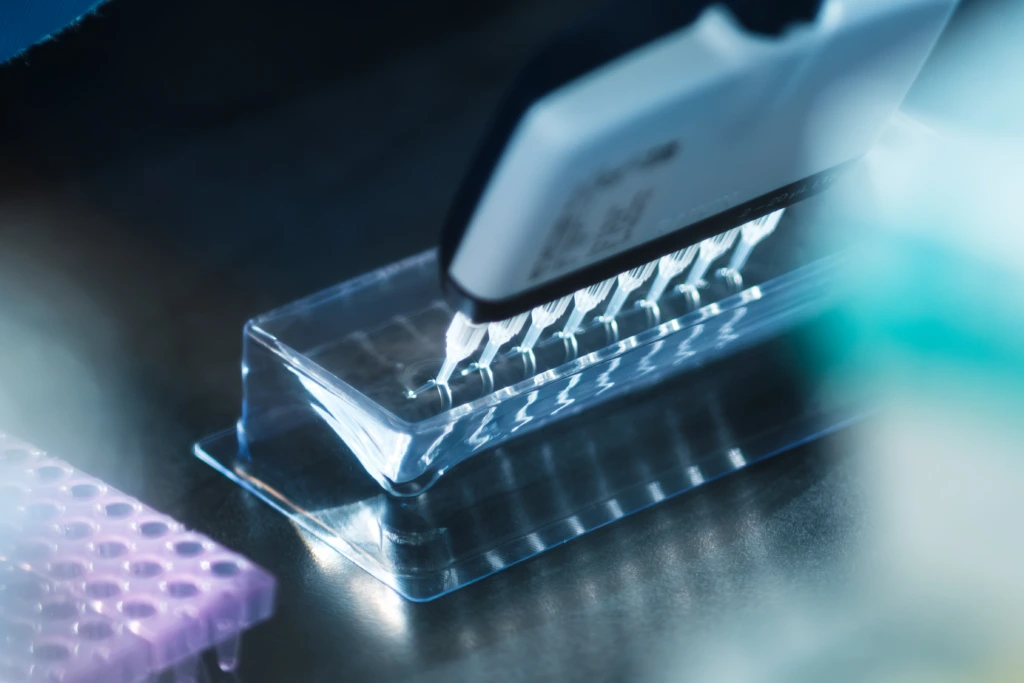
Close up of multichannel pipette positioned above a transparent laboratory well plate A

Assay development and technology transfer

Bespoke assays built around your program needs, then scaled and transferred seamlessly across laboratories, ensuring consistency, reliability, and readiness from preclinical research through to clinical delivery.

Close up of scientist working with samples in a safety cabinet A

Biomarkers

Precision starts with the right biomarker. Unlock meaningful biological signals to guide patient selection, monitor response, and strengthen clinical endpoints across complex therapeutic landscapes.
Discuss your IVDR strategy with our experts

Do you have questions about the IVDR status of a clinical trial assay? Are you unsure whether an LDT qualifies under Article 5(5), or the differences between a CE-marked versus in-house testing strategy?

Connect with our IVDR specialists to discuss how we can support your study with compliant, inspection-ready diagnostic testing.

On-demand webinar

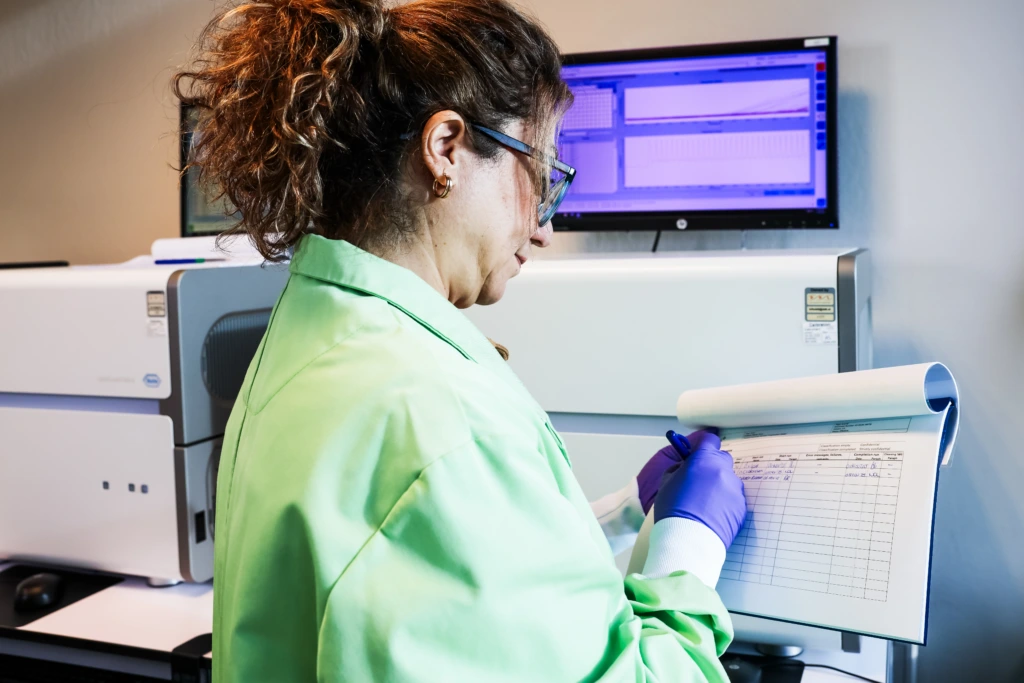
Medium close up of female scientist in green coat at laboratory analyser
Webinar

Impacts of IVDR for Manufacturers and Users

In this webinar, scientists from Cerba Xpert, the IVD-focused branch of Cerba Research, explore what the shift to IVDR means in practice – from stricter compliance requirements to increased transparency and stronger post-market oversight.

We also look at how these changes are raising the bar for diagnostic quality and patient safety, while creating new challenges such as reclassification, resourcing demands, and potential disruptions during the transition. 

Join us to understand what IVDR means for your organization and how to navigate this evolving regulatory environment.

IVDR FAQ