

Accelerating Therapies for Neurological Conditions
Access the reliable biomarker data and meaningful insights you need to guide decisions, reduce delays, and keep your neurology therapeutics moving toward patients – faster.
Turning neurological data into clinical decisions
Neurological therapeutic development offers the chance to make meaningful differences in patients’ lives. With the right tools, data, and expertise, it’s possible to understand diseases more deeply, design smarter studies, and bring therapies to patients more efficiently.
Making that possible requires more than just access to assays. It takes a partner who understands neurological disease, applies the right biomarkers to each question, and delivers reliable, high-quality data across global trials.
From early development through post-marketing studies, we provide integrated laboratory solutions across molecular, protein, cellular, and tissue analyses.
Our teams work with you to turn complex biomarker data into clear and reproducible insights, align strategy with study objectives and regulatory expectations, and ultimately move therapeutics closer to patients.
By connecting strategy, assay selection, and global lab execution, we help you make confident decisions that keep patient outcomes at the center of every step.

Why choose us for your neurology trials?

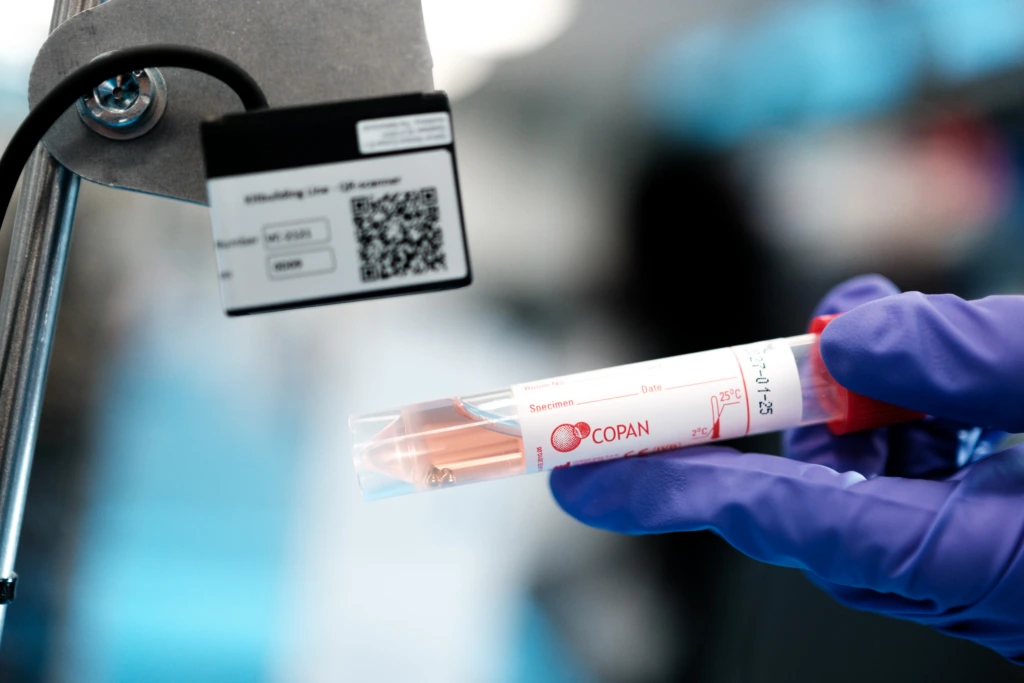

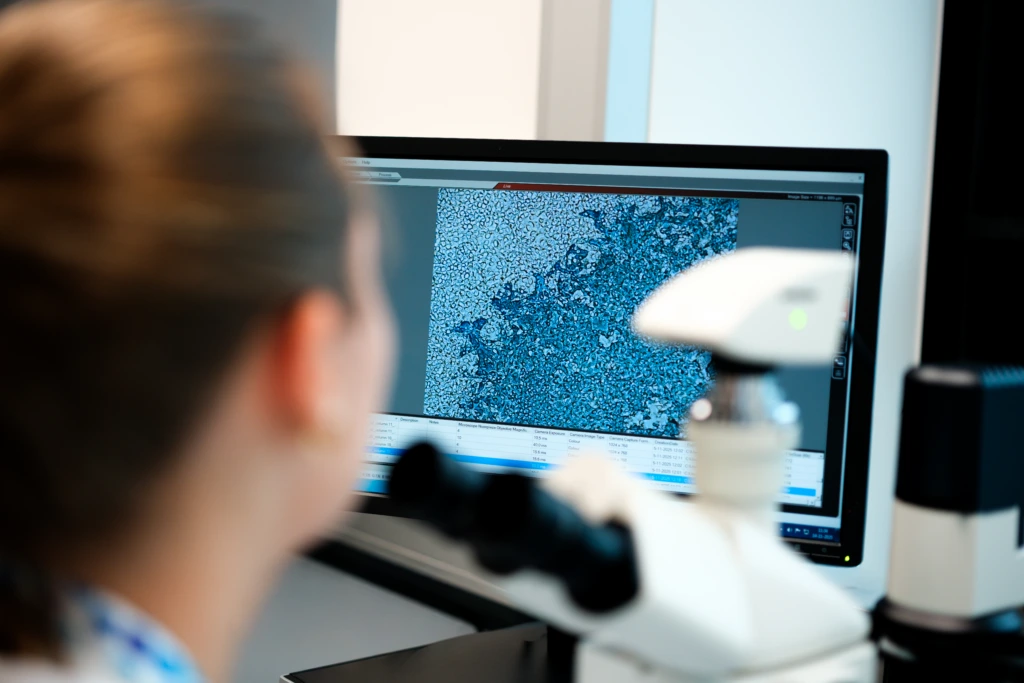

Supporting your neurology trials
By combining molecular, protein, cellular, and tissue-based analyses across blood, CSF, and tissue, we help you turn complex data into clear, decision-ready insights throughout clinical development.
Molecular and genomic profiling
Genetic and molecular insights are central to understanding neurological diseases, from patient stratification to tracking progression and treatment response. Our molecular approaches help you translate complex genomic data into actionable insights that guide your development strategy.
Our approaches include:
- Next-generation sequencing (NGS), including custom and broad neurology-focused panels
- Whole exome (WES) and whole genome sequencing (WGS)
- RNA sequencing and gene expression analysis
- ddPCR and qPCR for sensitive detection of neurological biomarkers
- HLA typing and single-gene testing for inherited and rare neurological disorders
- Long-read sequencing using Oxford Nanopore Technologies
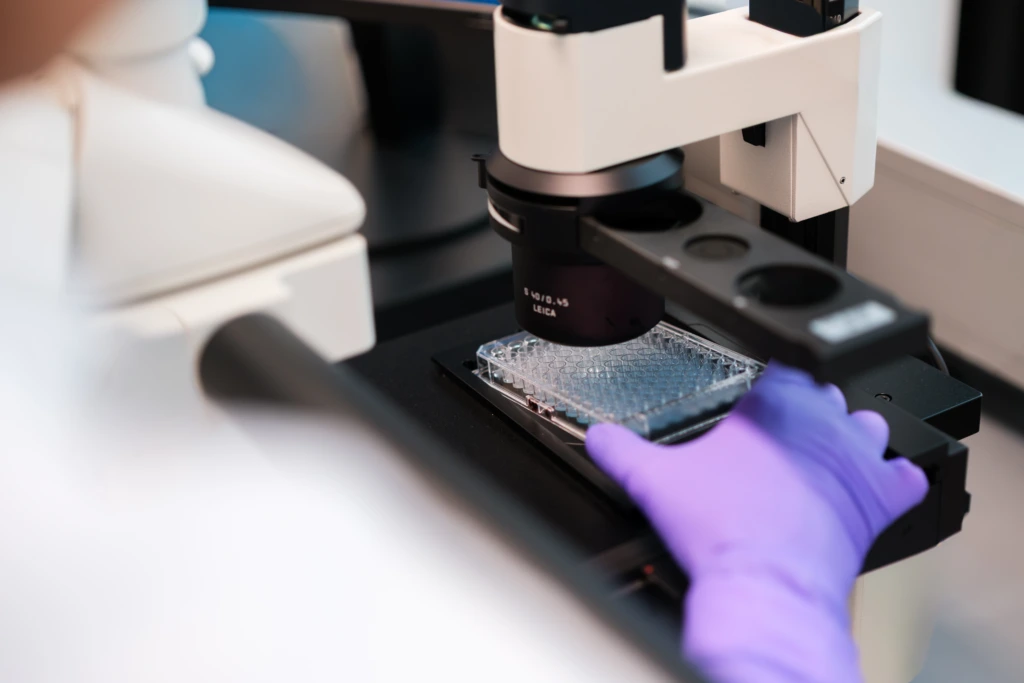
Protein biomarkers and immunoassays
Protein biomarkers, particularly those measured in CSF, are key to understanding neurodegeneration, target engagement, and treatment response. Our immunoassay capabilities generate reliable, high-sensitivity data, even from low-volume neurological samples, helping you build a clearer picture of disease biology.
Our approaches include:
- CSF biomarker testing for tau, phospho-tau, beta-amyloid, and related markers
- Validated ligand binding assays, including ELISA, ELLA, MSD-based platforms and more
- Multiplex protein and cytokine profiling using validated immunoassay platforms
- Pharmacokinetics (PK), anti-drug antibodies (ADA), and neutralizing antibody (Nab) testing for biologics and gene therapies
- Assay workflows supporting low-volume CSF and neurological samples

Cellular and immune-based assays
Neuroinflammation and immune response play an increasing role in neurological disease and advanced therapies. Our cellular and immune profiling capabilities help you understand how treatments interact with the immune system, giving you deeper insight into mechanisms of action and patient variability.
Our approaches include:
- Advanced flow cytometry, including high-parameter spectral analysis, supported by AI-enabled analytics through the Ozette platform
- Intracellular cytokine staining (ICS) for functional immune profiling
- PBMC and BMMC isolation and processing
- Receptor occupancy and immune cell monitoring
- Support for cell and gene therapy programs, including vector-related analyses

Tissue-based and spatial analysis
Understanding neurological disease often requires tissue-level resolution and spatial context. Our tissue and spatial analysis capabilities help you connect cellular and molecular findings within the architecture of the nervous system, supporting more informed interpretation of disease mechanisms.
Our approaches include:
- Histopathology with expert pathology review
- Singleplex and multiplex immunohistochemistry (IHC)
- Digital pathology with quantitative image analysis
- Spatial biology solutions using NanoString GeoMx® and Akoya Phenolmager™
- In-situ hybridization (ISH)/RNAScope® and fluorescence in-situ hybridization (FISH) assays

Proven impact in neurology studies





Global labs and Centers of Excellence for neurology
Our Centers of Excellence are designed to deliver consistency across borders, combining standardized processes, aligned technologies, and shared quality frameworks across regions.
Immunoassays:
Belgium, Netherlands, France, United States, Canada, China, South Africa
Genetics and genomics:
Netherlands, France, Taiwan, Canada, and the United States
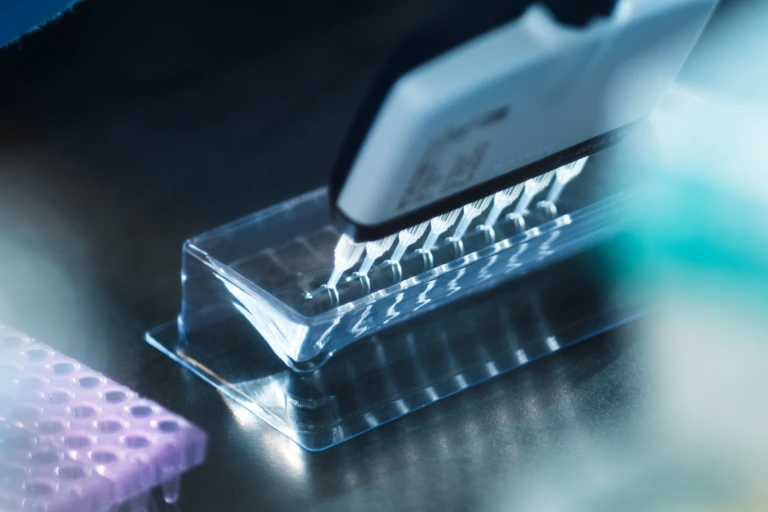
Technologies and platforms used in neurology programs
We use advanced genomics, high-parameter flow cytometry, multiplex immunoassays, and spatial biology platforms to deliver accurate, reliable biomarker data for your neurology trials.
Next‑generation sequencing (NGS) (Illumina®)
Long‑read sequencing (Oxford Nanopore Technologies™)
Conventional flow cytometry BD FACSLyric™)
High‑parameter flow cytometry (Cytek® Aurora)
AI‑driven analytics for flow cytometry (Ozette)
Spatial biology and digital spatial profiling (NanoString® GeoMx®, Akoya Phenolmager)
Digital pathology and image analysis (Halo®, Visiopharm®)
Related specialized services
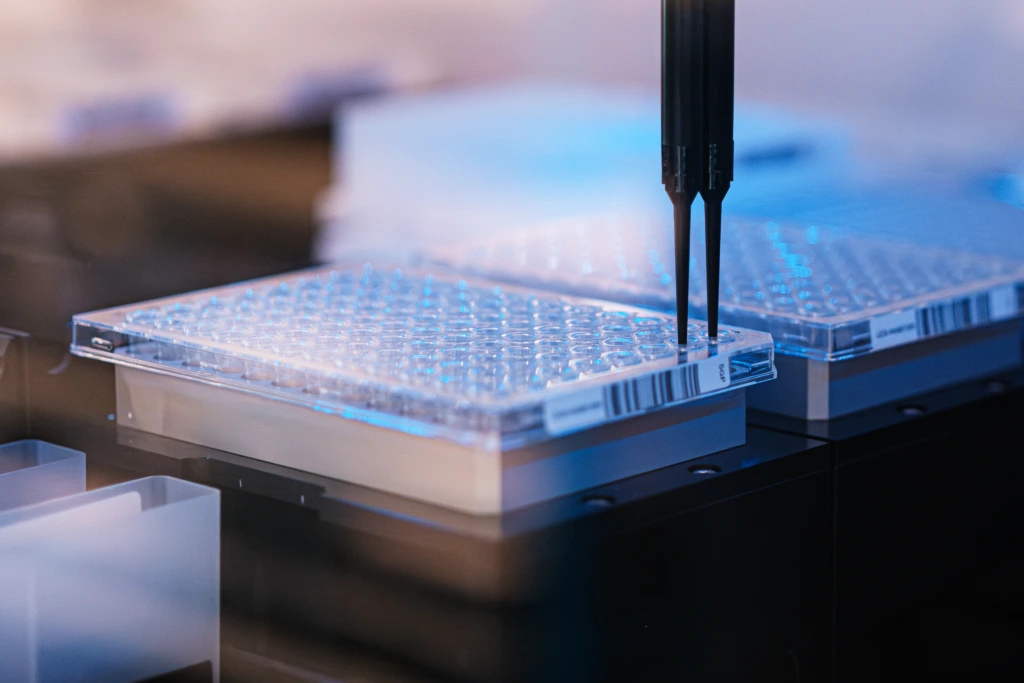
Flow cytometry
Flow cytometry in neurology clinical trials enables high-throughput, single-cell analysis to evaluate immune cell dynamics, neuroinflammation, receptor occupancy, and therapeutic effects in blood and cerebrospinal fluid (CSF).

Next-generation sequencing (NGS)
Next-generation sequencing provides critical insight into the genetic and molecular drivers of neurological disease, supporting patient stratification, biomarker discovery, and disease characterization in neurology trials.
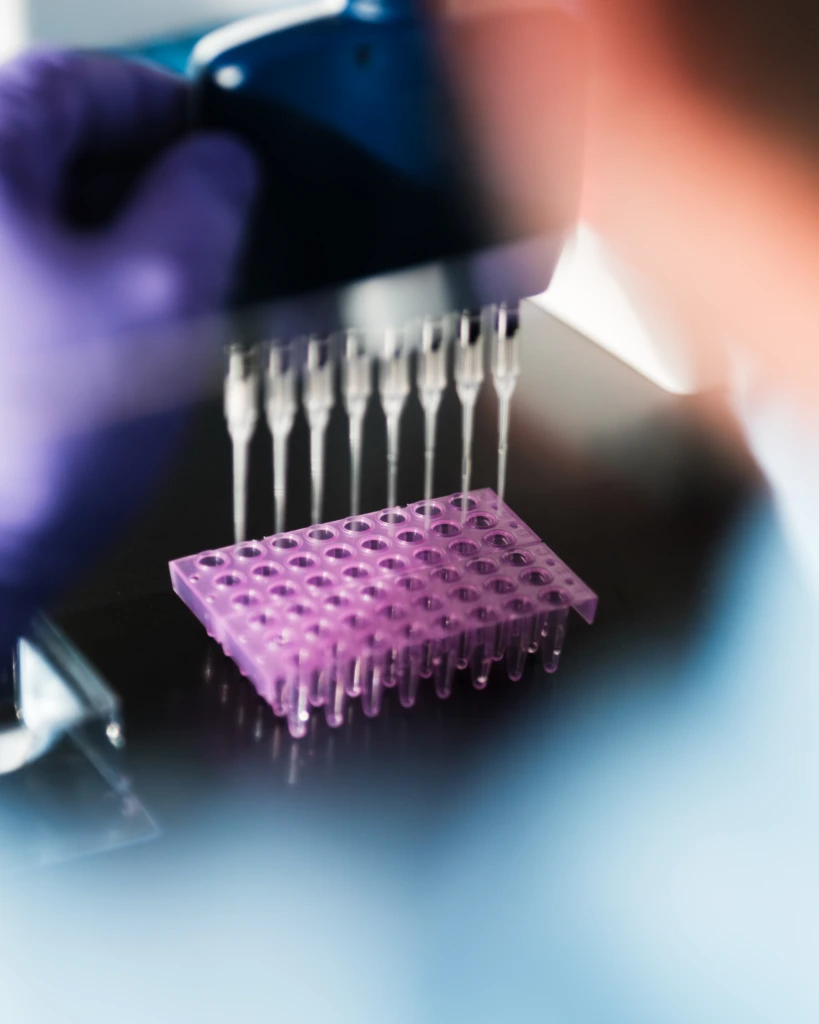
Immunoassays
Immunoassays are fundamental to neurological drug development, particularly for measuring protein biomarkers associated with neurodegeneration, neuroinflammation, target engagement, and treatment response.