Rare disease specialists
- Deep scientific and operational expertise across rare and ultra-rare indications
- Support across preclinical, phase I-IV, and post-approval studies
- Experience navigating small patient populations and complex endpoints

Specialized laboratory and clinical expertise to support rare and ultra-rare disease programs, from discovery through late-phase development.
Small, geographically dispersed patient populations, heterogeneous disease biology, and limited historical data can make it difficult to define endpoints, identify patients, and generate robust evidence.
We work with you to turn complexity into confident decisions. As an extension of your team, we combine scientific expertise with integrated laboratory and clinical capabilities to deliver decision-ready data across rare and ultra-rare disease programs.
Our experience spans hematological malignancies, rare infectious diseases, immunological and inflammatory disorders, hematologic conditions, and neurological diseases, supporting programs from early discovery through late-phase trials and post-approval studies.
By connecting molecular, cellular, protein, tissue, and safety testing within a harmonized global network, we reduce variability, accelerate timelines, and help you move forward with confidence – when every patient and every data point counts.
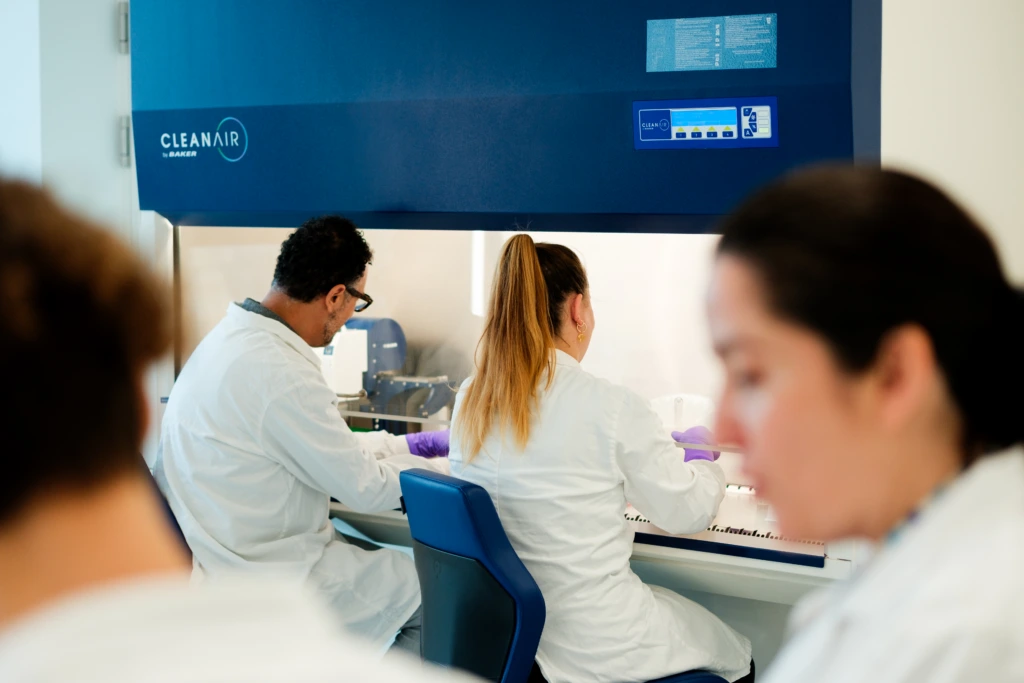


By combining scientific expertise with advanced technologies, we generate high-quality, reliable data to help you reduce uncertainty, meet regulatory expectations, and make confident decisions at every stage.
Understanding the genetic basis of rare diseases is critical for accurate diagnosis, patient stratification, and targeted therapeutic development. We deliver high-quality molecular and genomic data to support both exploratory research and clinical endpoints.
Key capabilities include:
Characterizing immune response is critical across many rare diseases, particularly in autoimmune, inflammatory, infectious, and cell and gene therapy programs. We design immunogenicity strategies aligned to your endpoints, providing meaningful insight into efficacy and safety.
Key capabilities include:
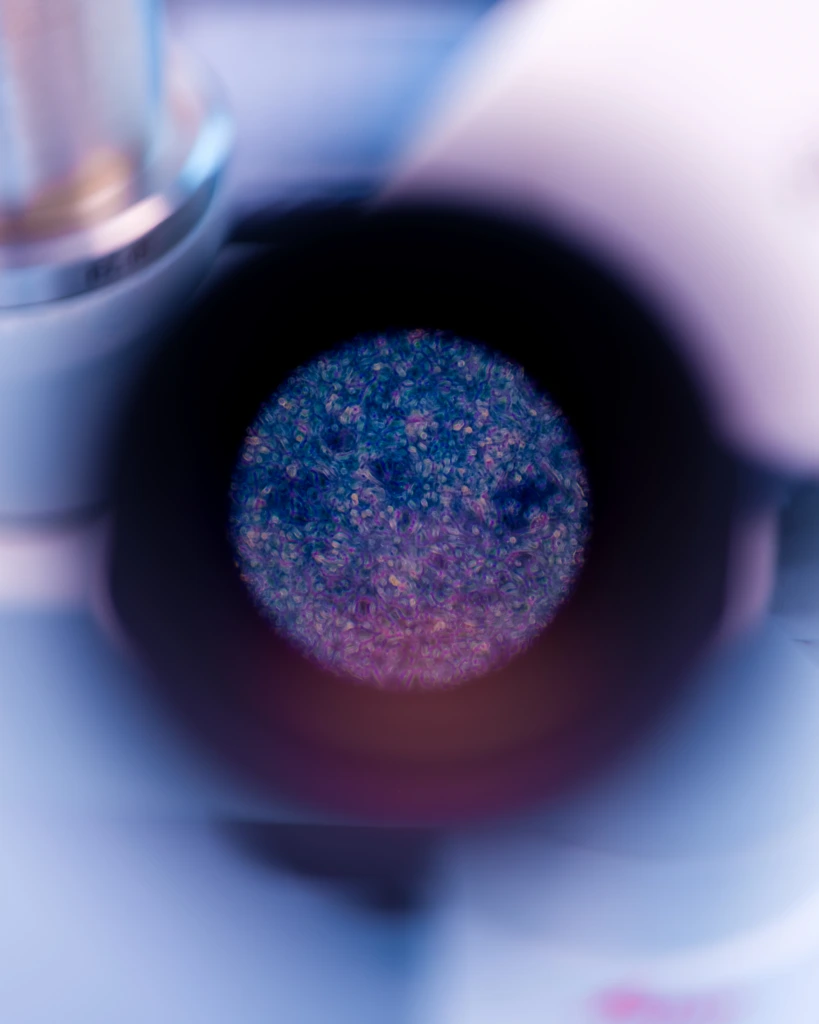
Cellular analysis plays a central role in rare hematological, immunological, and cell and gene therapy programs. Our advanced flow cytometry platforms enable deep immune and cellular characterization across global trials.
Key capabilities include:
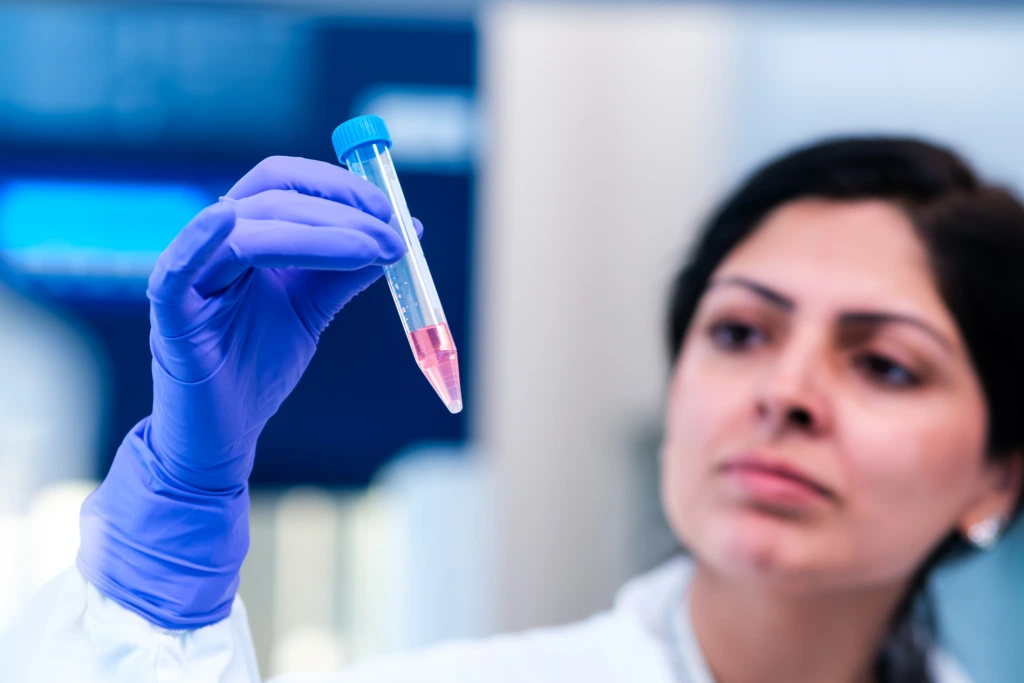
Tissue-based insights are essential for understanding disease mechanisms and therapeutic impact in rare disorders. We deliver integrated histopathology and spatial biology workflows supported by expert interpretation.
Key capabilities include:

Rare disease trials require precise coordination, particularly with small and geographically dispersed patient populations. We manage operational complexity to ensure consistency, speed, and full visibility across your study.
Key capabilities include:

Supporting gene therapy [link when page is created] programs requires specialized assays, rapid turnaround, and global coordination. We provide comprehensive support for AAV-based and other gene therapy modalities, from early development through clinical trials.
Key capabilities include:






Our global network of harmonized laboratories is built to support rare disease studies wherever they take place. With shared workflows across regions, we help reduce variability, keep studies moving, and make the most of every sample.
Flow cytometry:
United States, Belgium, Taiwan, China, Australia
Genomics and genetics:
France, Netherlands, United States, Canada, Taiwan
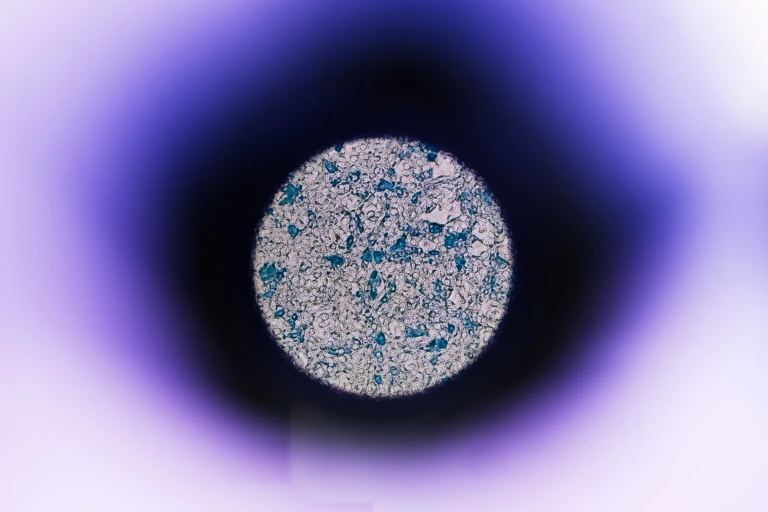
We bring together molecular, genomic, immunological, cellular, and tissue-based technologies to generate data that reflects real disease biology – even when patient numbers are small.
Next-generation sequencing (NGS) (Illumina®)
Long-read sequencing (Oxford Nanopore Technologies™)
Conventional flow cytometry (BD FACSLyric™)
High‑parameter flow cytometry (Cytek® Aurora)
AI-driven analytics for flow cytometry (Ozette)
Spatial biology and digital spatial profiling (NanoString® GeoMx®)
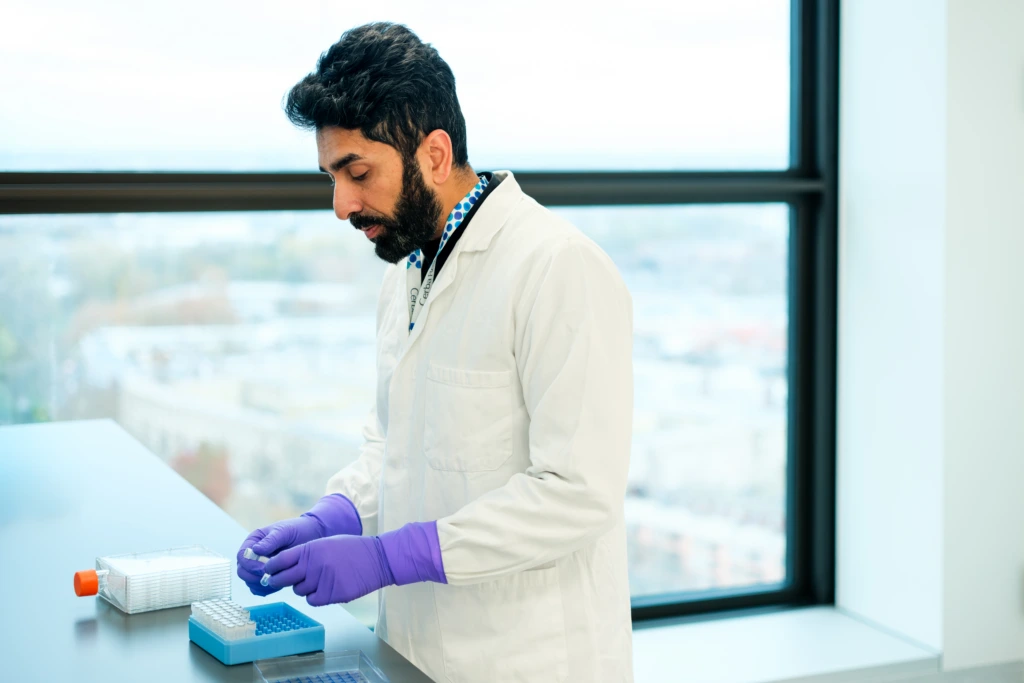
Improve your chances of success with our personalized approach to biomarker assay development and validation. Partner with our leading scientists across a five-continent laboratory network to generate early scientific insights that optimize your protocol and provide insight into the most suitable biomarkers and assays for your rare disease studies.

Outsource your research questions, including efficacy, safety, passive immunization, immunogenicity, pharmacokinetics, pathogenicity, antiviral therapy, antiviral prophylaxis, drug delivery, resistance mutants, and more.

Generate deep immune cell insights with advanced flow cytometry. We support you with designing, developing, and validating custom-made flow cytometry panels. From immunophenotyping and immune activation to receptor occupancy and CAR-T monitoring, learn how our expertise supports your oncology studies, from preclinical research to phase IV trials.
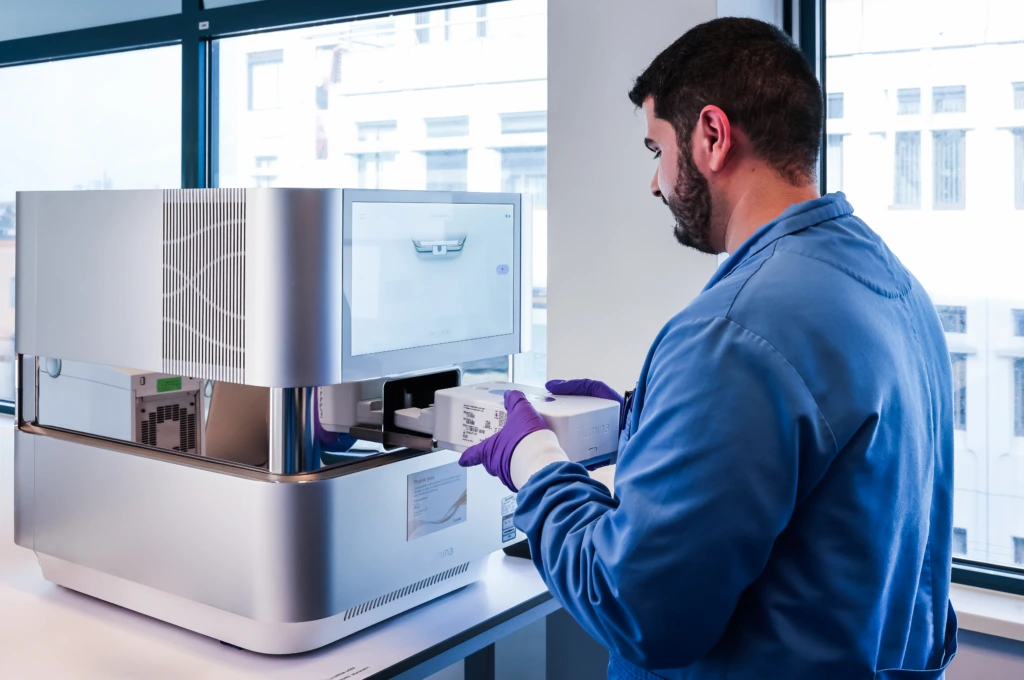
Design and implement molecular assays tailored to your rare disease program. From early development through validation and transfer, discover how specialty assays can be optimized to address the complexity of these conditions.
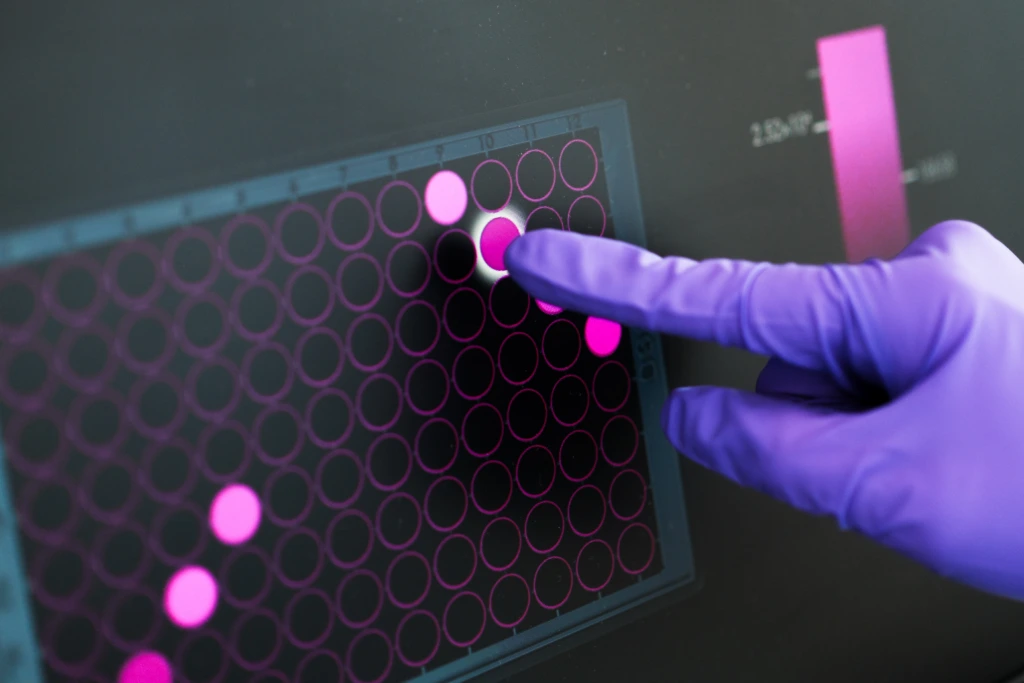
Unlock critical genomic insights for your rare disease research. Explore how NGS assays support analysis, helping you uncover actionable genomic information from your specimens.

Access timely, high-quality data in the right formats to ensure clinical trial success. Our team of experienced scientists and bioinformaticians work together to provide fully GxP and FDA-compliant pipelines that have been scientifically validated.
Rare diseases are one of the most complex frontiers in medicine. This fact sheet highlights how advanced laboratory capabilities, global trial expertise, and cutting-edge technologies are accelerating orphan drug development, offering new hope for patients and sponsors across the rare disease landscape.

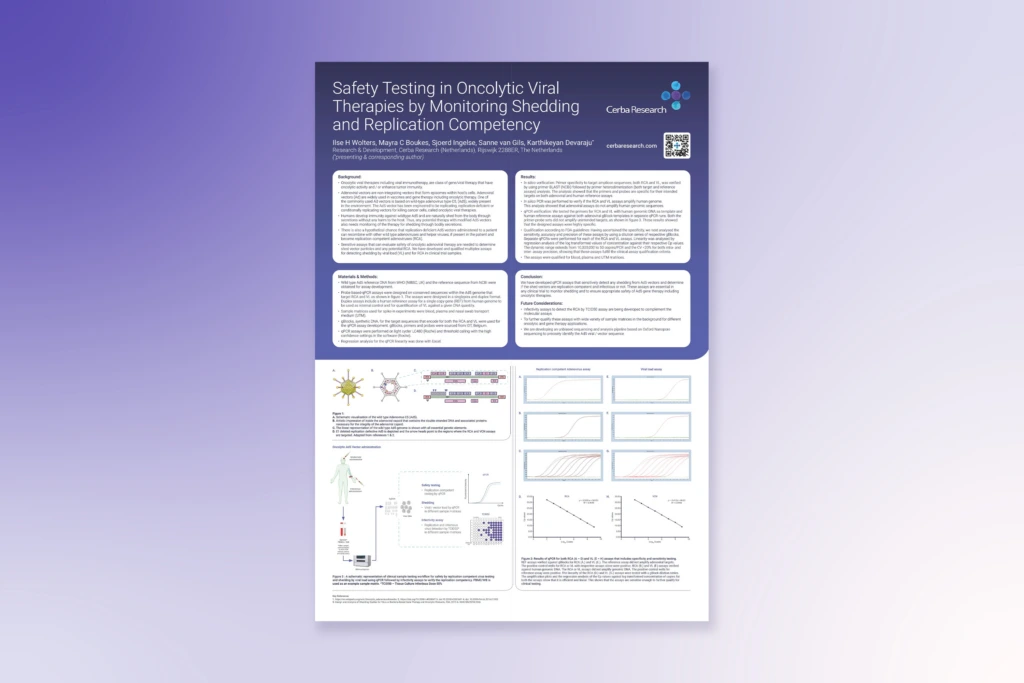
Oncolytic viral therapies offer powerful new options for rare and hard-to-treat cancers. This poster outlines highly sensitive assays to monitor viral shedding and detect replication-competent viruses, supporting rigorous safety oversight in clinical trials and responsible advancement of oncolytic and gene therapies.
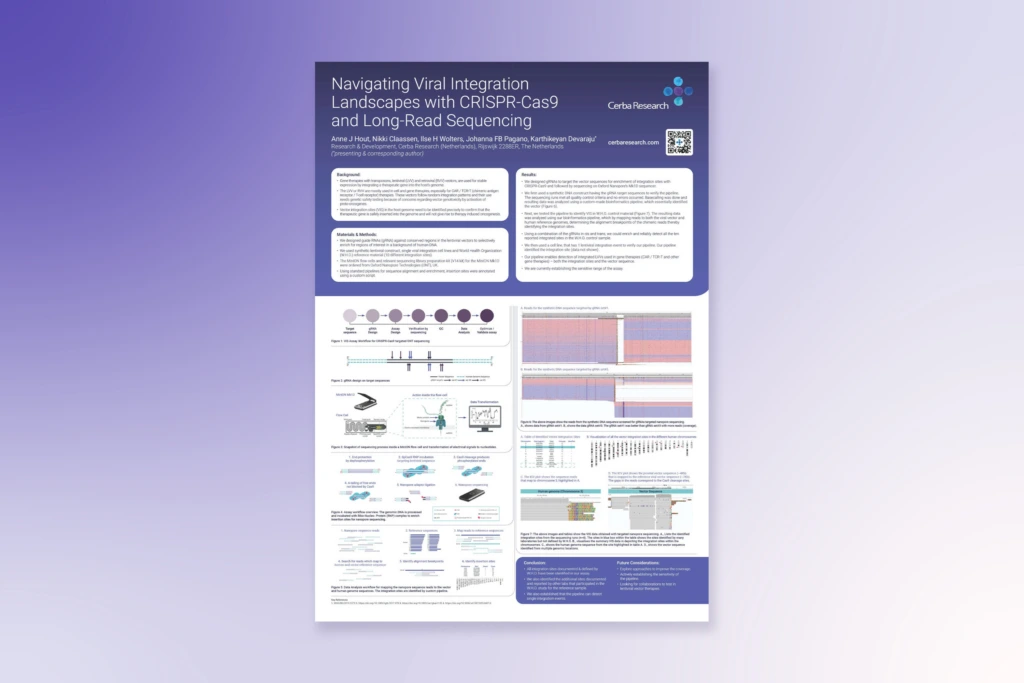
As gene therapies advance in rare, complex diseases, understanding where therapeutic genes integrate into the genome is critical for safety. This poster explores a CRISPR-Cas9–guided, long-read sequencing approach to precisely map viral integration sites for safer lentiviral and CAR-T therapies.