Scientific partnership

- Flexible support across trial phases and designs
- Early protocol and biomarker strategy input
- Oversight and collaborative problem‑solving throughout your study
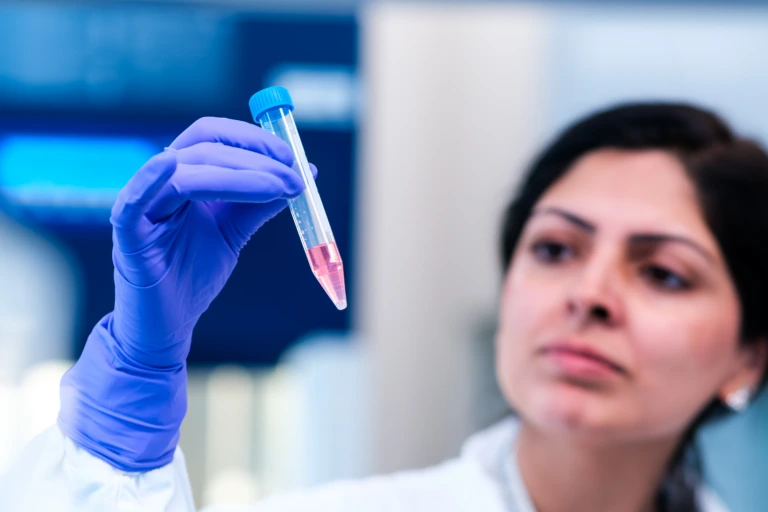
From early biomarker strategy to final reporting, we partner with you to generate robust, decision-ready data tailored to your study.
As studies become more complex, the challenge is no longer just generating data but ensuring that data is robust, reproducible, and directly relevant to your study objectives.
At Cerba Research, we work with you to translate complex immunological questions into clear, actionable data. With over 25 years of experience supporting flow cytometry in clinical trials from preclinical through phase III, we design solutions that align directly with your study endpoints, timelines, and regulatory requirements.
We engage early to understand your protocol, risks, and objectives so we can design assays and workflows that support reliable, decision-ready data. This means you gain not just results, but confidence in how those results support your trial decisions.

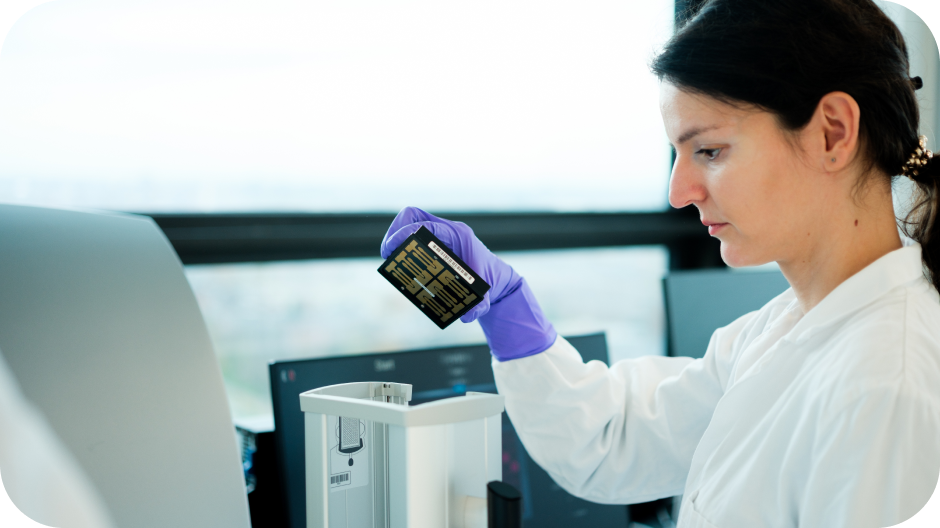

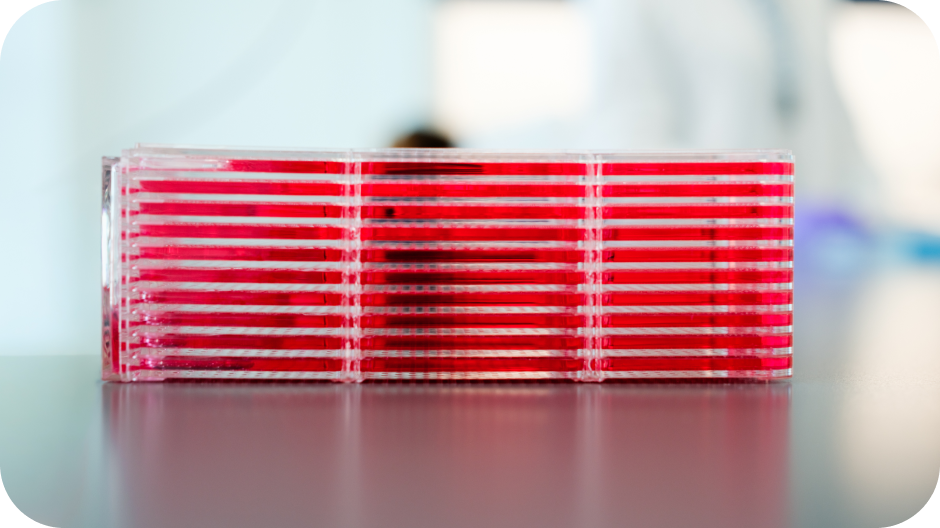

We design and develop flow cytometry assays that directly support your clinical and translational objectives. Whether you are exploring novel biomarkers or validating established panels, we ensure every assay is fit for purpose and aligned to your protocol.
We integrate expertise from panel design, biomarker selection, and assay validation into a single, streamlined process. This reduces risk, shortens timelines, and ensures consistency from development through to sample analysis.
We focus on delivering assays that are not only scientifically robust but also operationally practical within your trial.
Flow cytometry generates highly complex, high-dimensional data. We ensure that data is processed, analyzed, and presented in a way that supports confident, timely decisions.

We work with you to define how data should be visualized and delivered, ensuring outputs are meaningful for clinical, scientific, and regulatory stakeholders.
As your study evolves, we adapt reporting strategies to ensure your data continues to deliver value.
We have partnered with Ozette to enhance the analysis and interpretation of your high-dimensional flow cytometry data generated across clinical and translational studies.
With Ozette’s AI-enabled spectral flow cytometry analytics platform, we enable more standardized, reproducible, and scalable analysis of complex immune datasets across studies, sites, and therapeutic areas.
By integrating advanced analytical tools into our flow cytometry workflows, we help ensure that your high-parameter data is not only generated consistently but also translated into clear, actionable insights that support confident decision-making in clinical development.

Our global laboratory network supports flow cytometry testing across multiple regions, ensuring consistent processes, standardized quality, and reliable turnaround times.
Our flow cytometry labs are in:
Ghent, Belgium
New York, United States
Sydney, Australia
Taipei, Taiwan
Shanghai, China
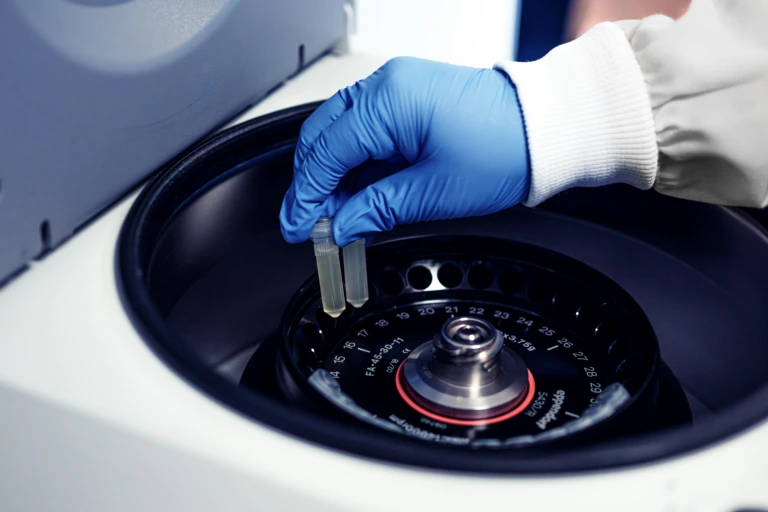
We use advanced flow cytometry platforms to support increasingly complex study requirements, including high-parameter and spectral cytometry.
Conventional flow cytometry (BD FACSLyric™)
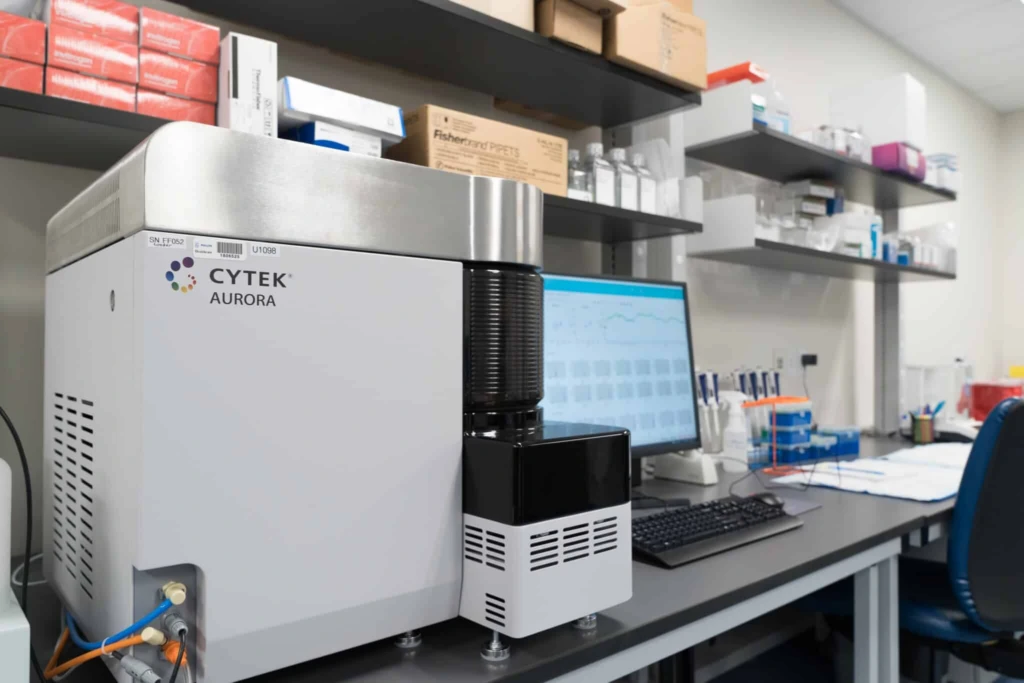
Spectral flow cytometry (Cytek® Aurora)
AI‑driven analytics for flow cytometry (Ozette)
Flow cytometry data analysis software (FCS Express™)

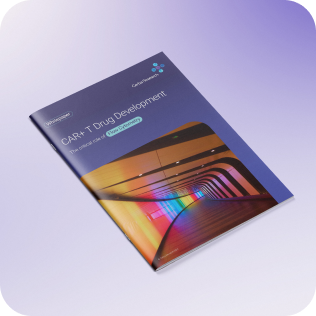
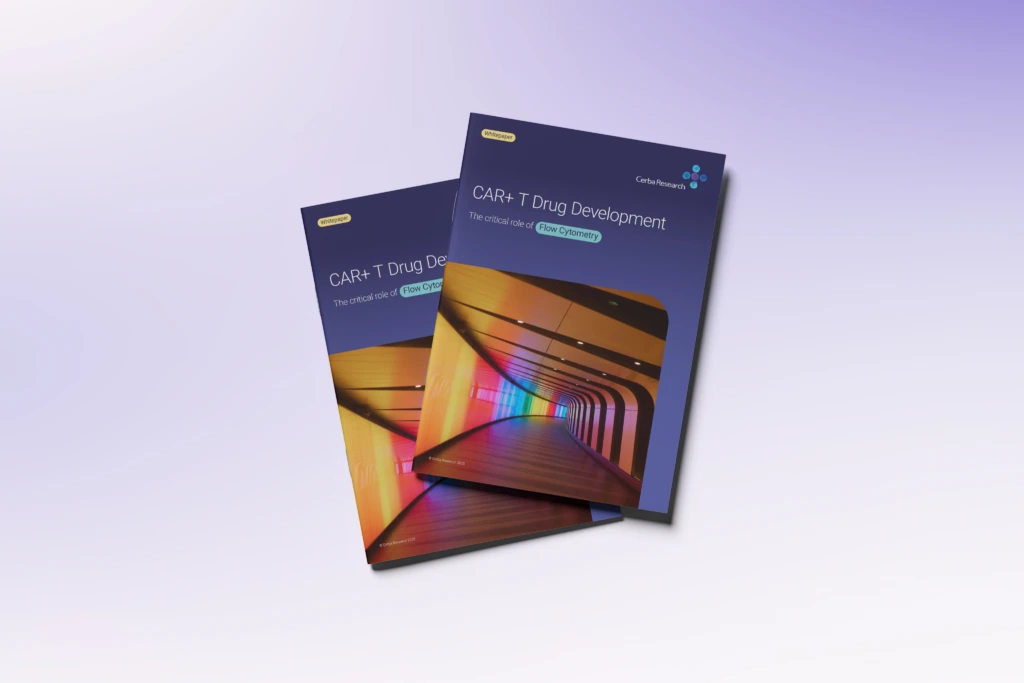
With the breakthrough of cellular immune therapies such as CAR+T cell therapy, flow cytometry became a critical platform not only for clinical laboratories but also for drug developers and manufacturers.
In this whitepaper, our experts dive deeper into key elements of flow cytometry, including:
Flow cytometry is driven by technological innovation.
Amber Baele, Scientist Associate, outlines key trends shaping its future.
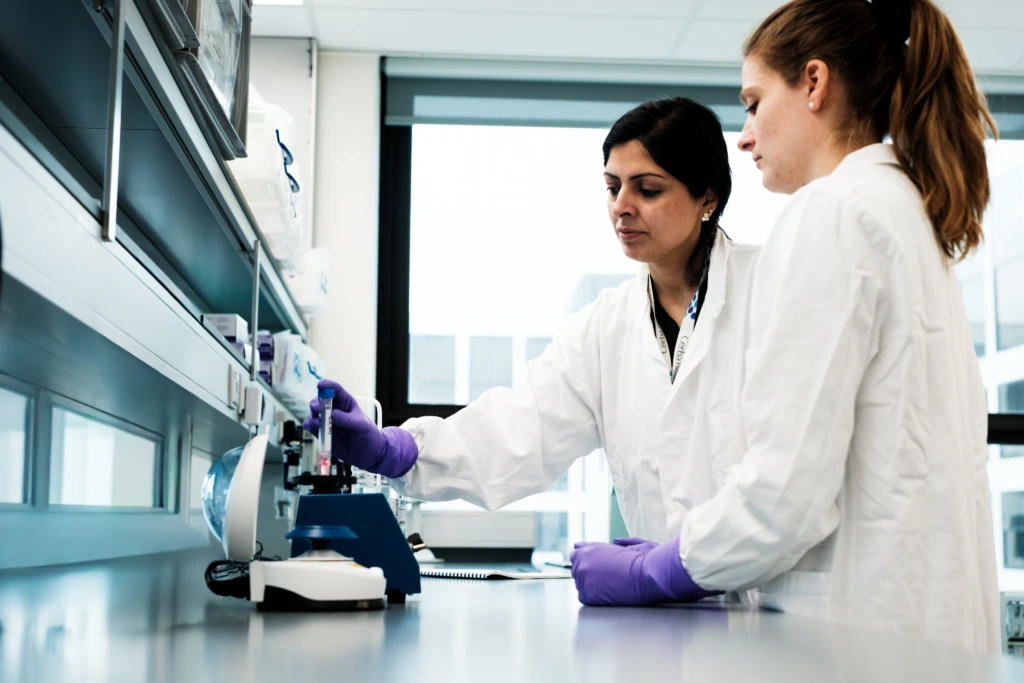
Matthias De Decker, Senior Scientist, explores the role of flow cytometry in clinical studies of autoimmune diseases.

We appreciate your interest and will be in touch shortly.
Explore our services
Meet the people behind the science

Resource library