

Author
Kirsty Maclean
Global Head of R&D
Author
Kirsty Maclean
Global Head of R&D
Detecting these rare variants at diagnosis typically requires deep next-generation sequencing (NGS).1,2,3
In this blog, we outline how you can overcome key challenges in tracking tumor evolution and resistance, supported by best practices and real-world examples.
Targeted therapies have transformed outcomes in certain cancers, such as chronic myeloid leukemia. However, overall response rates in solid tumors are often 50% or lower, largely due to primary resistance mechanisms that are difficult to fully capture using traditional tissue analyses alone.4
Immunohistochemistry (IHC), while valuable, cannot always provide the resolution needed to fully characterize tumor biology. For example, low HER2 expression can vary across tumor regions, leading to interpretation variability and potential misclassification when relying on single biopsies.5
A similar challenge exists in non-small cell lung cancer (NSCLC), where for example, PD-L1 expression can fluctuate spatially within tumors. Further, small biopsy samples may not reflect the full tumor landscape, increasing the risk of inaccurate patient stratification.6
NGS addresses some of these limitations by enabling high-resolution tracking of tumor clonal evolution and potential resistance mechanisms. Across both solid tumors and hematological malignancies, it provides critical insight into subclonal expansion, mutation acquisition, and treatment-driven adaptation that conventional assays may miss.4
NGS is a powerful tool, but unlocking its full value requires careful consideration of several challenges.
At the core of tumor progression and treatment resistance are intratumoral heterogeneity and clonal evolution. Tumors often begin as polyclonal populations, but under therapeutic pressure, resistant subclones, fueled by driver mutations in genes like TP53 or KRAS, create resistant cell populations that can expand and cause the cancer to relapse.7,8
A key challenge in clinical trials is determining whether resistance is pre-existing or acquired during treatment. This distinction is critical for treatment decisions, yet difficult to resolve without sufficiently sensitive and longitudinal approaches.9
Additional complexity arises from the need to distinguish tumor-derived variants from clonal hematopoiesis (CH) in blood-based analyses, as well as from variability in assay sensitivity at low variant allele frequencies (VAFs <1%). Longitudinal monitoring is also essential to capture real-time tumor evolution without placing excessive burden on patients.10
To address these challenges, a standardized, integrated approach to NGS is essential. Our methodology combines scientific rigor with clinical relevance, enabling you to generate reliable, actionable insights throughout your trial. We use:
In practice, this approach enables deeper insight into tumor evolution and resistance.
In one melanoma study, NGS-based phylogenetic analysis mapped tumor evolution, distinguishing an early BRAF mutation from a later-emerging NRAS-driven resistance pathway.11
Circulating tumor DNA (ctDNA) analysis has demonstrated over 90% sensitivity for detecting minimal residual disease (MRD) and resistance at variant allele frequencies above 0.1%, using standardized pipelines aligned with AMP guidelines.12
In a recent phase II NSCLC trial, serial ctDNA NGS identified expansion of a KRAS G12C subclone by cycle six. This enabled real-time treatment adaptation, supporting a switch to a next-generation inhibitor.13
Understanding tumor evolution is critical to anticipating resistance before it impacts trial outcomes.
By identifying early signals of subclonal expansion, NGS enables you to move from reactive to proactive decision-making. Instead of relying on incomplete snapshots, you gain a continuous, data-driven view of how tumors respond and adapt.
This approach combines methodological rigor, CH-aware analysis, and multi-omics integration to transform complex genomic data into actionable insight.
As oncology trials become more complex, the ability to track tumor evolution in real time becomes a key differentiator; supporting more informed decisions, more resilient trial designs, and ultimately better patient outcomes.
If you are advancing precision oncology programs, our integrated NGS, biomarker, and spatial capabilities can help you uncover resistance mechanisms earlier and make more confident trial decisions.
Explore our oncology solutions or connect with our experts to see how we can support your next study.
Explore immuno-oncology biomarker strategies using flow cytometry, IHC, and NGS to improve tumor profiling, immune insights, and clinical trial outcomes.
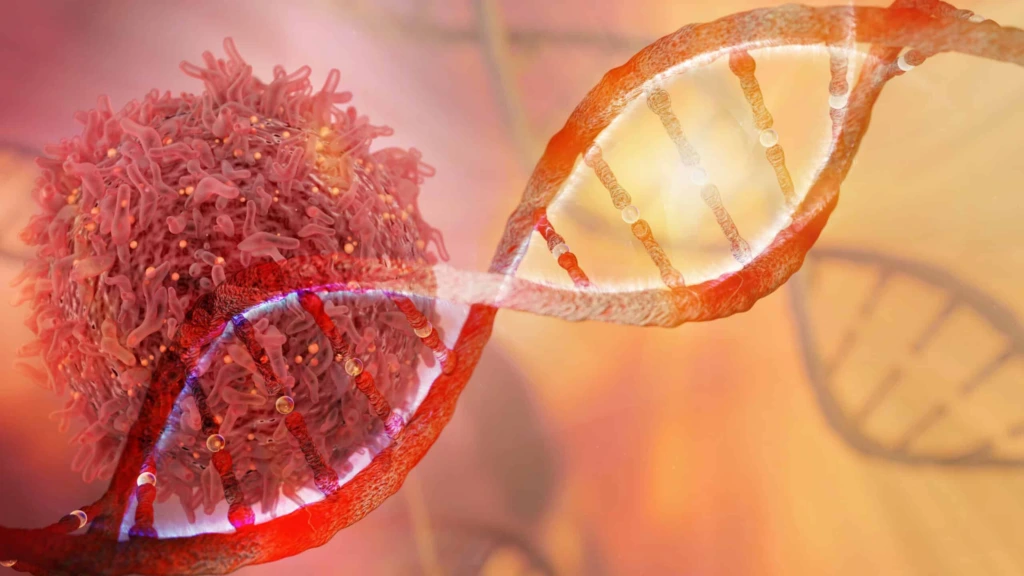
In the past decade, oncology research has focused on increasingly personalized treatments. These are designed to target cancerous cells, improving safety and survival rates, as well as quality of life for the patient.
However, the rapid advancements in cancer treatment have come accompanied by new challenges, including stringent regulatory compliance and the need for specialized technologies.
Oncology trials are undergoing a transformative shift, developing therapies that directly target cancer cells and aim for more efficient treatments with a better safety profile. This approach aims to improve quality of life, extend progression-free survival rates for cancer patients, and increase overall survival.
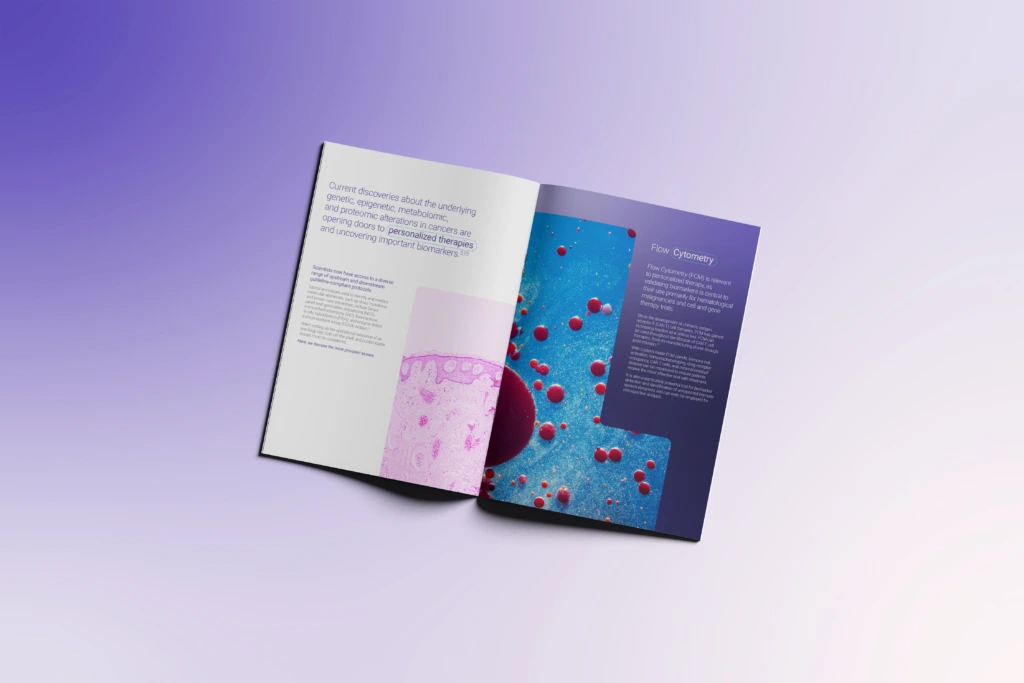
Cerba Research conducted ~200 oncology trials in the past 5 years alone, with 55%+ being solid tumors such as lung, breast and colorectal cancers. The central and specialty laboratories’ expertise includes specialized assays such as next-generation sequencing, flow cytometry, immunohistochemistry, AI in image analysis, and NanoString®.