
Author
Kim Whitley
Scientific Content Manager
Author
Kim Whitley
Scientific Content Manager
The AACR Annual Meeting, held in San Diego, California, from April 17-22, offered a valuable snapshot of where oncology research is heading and how emerging advances are translating into real-world clinical application. As one of the most influential gatherings for the global cancer research community, the meeting brought together translational scientists, clinicians, industry leaders, and patient advocacy groups to share new data, ideas, and perspectives.
Many of these themes were reflected in our own contributions to the meeting. We presented four poster studies exploring biomarker assessment, immune profiling, and advanced AI approaches in digital pathology for solid tumors. Furthermore, leveraging our recent partnership with Ozette, we highlighted capabilities and case studies with the Ozette proprietary 48-color spectral flow pan-immune profiling assay (PIP 01), a cloud-native data analytics platform to deliver standardized, scalable immune profiling workflows across translational research and clinical development programs.
Read below for more detail on these posters, alongside our key takeaways on what stood out at the meeting, what’s changing across the field, and what sponsors are increasingly prioritizing as programs move forward.
Several scientific and technological trends stood out across poster halls and exhibitor showcases.
AI and machine learning were widely embedded across cancer research workflows. In digital pathology specifically, automated image analysis is rapidly transitioning from exploratory research into more robust, validated applications. Discussions highlighted growing confidence in AI-driven scoring to reduce variability associated with manual pathology and improve consistency across sites. Further work also addressed the use of AI in spatial omics integration and better predicting immunotherapy responses from routine slides. Key themes included using AI to bridge molecular data with tissue imaging, automating multi-step workflows, and navigating the validation for clinical adoption.
Rather than asking if AI belongs in pathology, the conversation has clearly shifted towards how quickly it will become standard.
Liquid biopsy approaches were highly visible across tumor types and development stages. While still complex from a regulatory and implementation standpoint, interest in circulating biomarkers and non-invasive monitoring remains strong, particularly for longitudinal patient assessment and disease evolution. Precede Biosciences debuted a first-of-its-kind product, Precede Bio Insight™, a genome-wide liquid biopsy that enables mapping of functional tumor biology (gene expression and pathways) from just 1mL of plasma. Highlighting several studies at AACR, the company demonstrated the ability of their comprehensive epigenomic liquid biopsy platform to predict therapeutic response, reveal resistance mechanisms, and quantitatively assess target expression and pathway activity with concordance to tissue.
Antibody drug conjugates (ADCs), bispecifics, and trispecific antibodies were among the most discussed therapeutic modalities at AACR 2026. Novel designs, refined payload strategies, and improved targeting approaches dominated many sessions, confirming that antibody-based therapies are not a short-term trend but a long-term pillar of oncology pipelines. Specifically, Johnson & Johnson Innovative Medicine highlighted the use of JNJ-89862175, a novel ADC targeting the ENPP3 protein, which displays apically restricted expression in normal tissue and depolarized expression in tumors and is broadly over-expressed in multiple solid tumors. The unique design was developed as a bivalent antibody with high affinity and specificity for ENPP3 and conjugated to a microtubule inhibitor payload.
The meeting was also abuzz about new data from Merck, revealing their first-in-human data for MK-2010, its anti-PD-1 x VEGF bispecific antibody. Early phase 1/2 data, primarily from a Chinese study in non-small cell lung cancer (NSCLC), showed promising safety and efficacy, with one report noting a 55% overall response rate (ORR).
Emerging therapeutic concepts such as targeted protein degradation (TPD) marked a shift from conventional heterobifunctional degraders toward molecular glues and antibody-based biologic degraders. Key highlights include new preclinical, orally bioavailable, and cell-specific degrader candidates for “undruggable” targets. An interesting example came from EpiBiologics, introducing EPI-326, an antibody-based tissue-selective EGFR degrader (EpiTAC) designed to spare healthy tissue.
Despite rapid innovation in omics and advanced analytics, IHC remains ubiquitous. Across posters and discussions, IHC continues to be a cornerstone for patient selection, biomarker validation, and translational decision-making, reinforcing the need for standardized, reproducible approaches across global trials.
Poster sessions were a major hub for discussion at AACR, providing valuable opportunities for deeper scientific discussions. This year, we presented four posters highlighting our work in solid tumor biomarker assessment, immune profiling, and advanced imaging approaches:
Discussions around these posters centered on real-world analytical challenges and the importance of rigorous, scalable methodologies. There was particularly strong interest in how digital and AI-enabled approaches can improve precision, reproducibility, and consistency across clinical studies.
Click each poster above to view in full.
Beyond the science, AACR 2026 highlighted several practical realities sponsors are navigating today.
Sponsors continue to prioritize partners who can deliver harmonized testing and data interpretation across regions. Centralization, standardized assays, and consistent analytics were recurring themes, particularly for late-phase and multi-regional studies.
While IVDR didn’t dominate scientific sessions, it emerged as a clear differentiator in sponsor conversations, especially for EU-based or late-phase programs. With limited Health Institution Exemption (HIE) capabilities across Europe, compliant diagnostic and biomarker strategies remain a significant point of differentiation for experienced laboratory partners.
AACR 2026 confirmed that translational oncology remains a fast-moving, highly collaborative space. From AI-driven pathology to next-generation antibody therapeutics, the field is evolving rapidly, and success increasingly depends on precision, standardization, and global coordination.
For us, the meeting reinforced the importance of continued evolution. By staying closely aligned with emerging trends and maintaining a focus on quality, consistency, and partnership, we remain committed to supporting oncology programs from early research through clinical impact.
Interested in translating these insights into your oncology program? Get in touch to discuss how our biomarker, immune profiling, and AI-enabled pathology capabilities can support decision-making across development stages.
Welcome to another edition of the Flow Matters blog. We’re diving into how flow cytometry is transforming virology and vaccine research and how new technological advances are giving researchers an unprecedented view of the immune system in action.
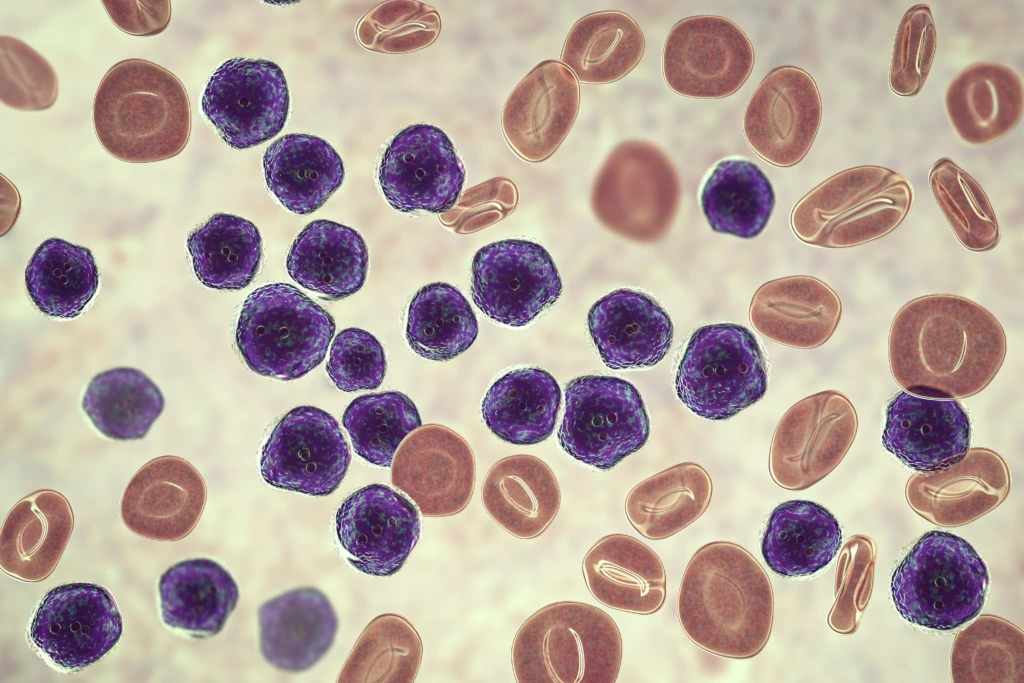
One of the most significant challenges facing biopharmaceutical and biotechnology companies is translating complex science into meaningful clinical outcomes. Kirsty Maclean, Global Head of R&D, talks about how our integrated framework helps accelerate decision-making.

In this interview, NewsMedical talks to Cerba Research’s Coen Stalpers about advances in automation and artificial intelligence in the laboratory setting.
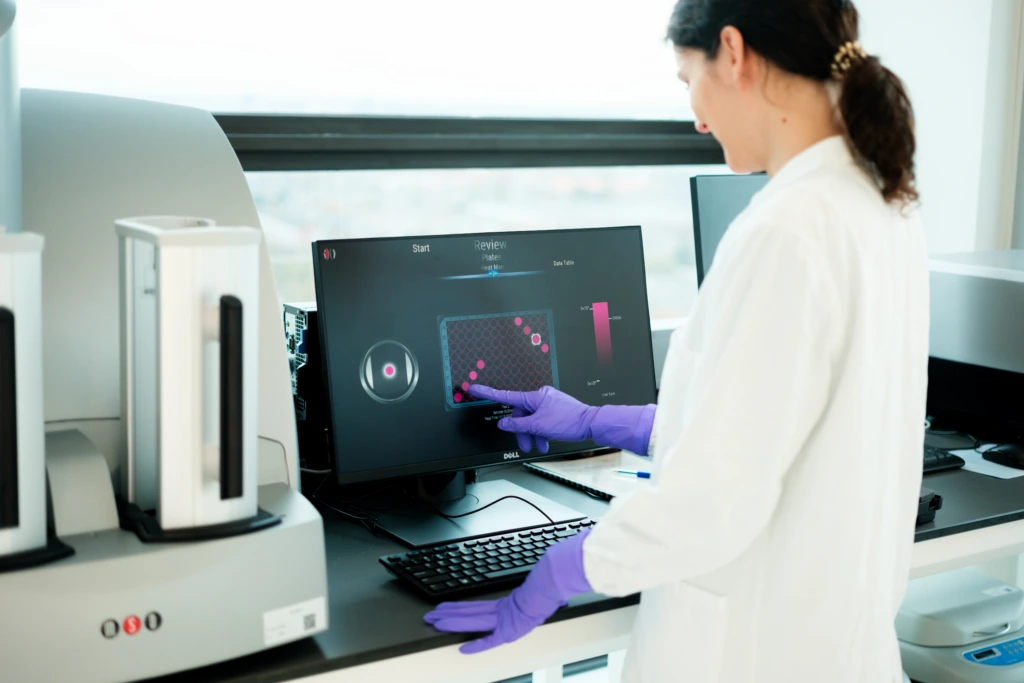
In this interview, NewsMedical talked to Cerba Research’s Lukasz Wulnikowski about the power of automation and how it has drastically changed the way they approach kit-building lines.