Brochure
Cell & Gene Therapy Laboratory Solutions
As a specialty laboratory solutions provider, we are at the forefront of addressing the complexity in Cell & Gene Therapy clinical trials, and offer a comprehensive suite of solutions.


From emerging trends to practical tools, here’s everything you need to move research forward.
Explore expert-led resources, including whitepapers, fact sheets, brochures, guides, and more, providing practical insights across therapeutic areas and techniques.
As a specialty laboratory solutions provider, we are at the forefront of addressing the complexity in Cell & Gene Therapy clinical trials, and offer a comprehensive suite of solutions.
Cerba Research is uniquely positioned to support your Cell and Gene Therapy trial with a wide range of in-house laboratory services, supported by bespoke logistics solutions.

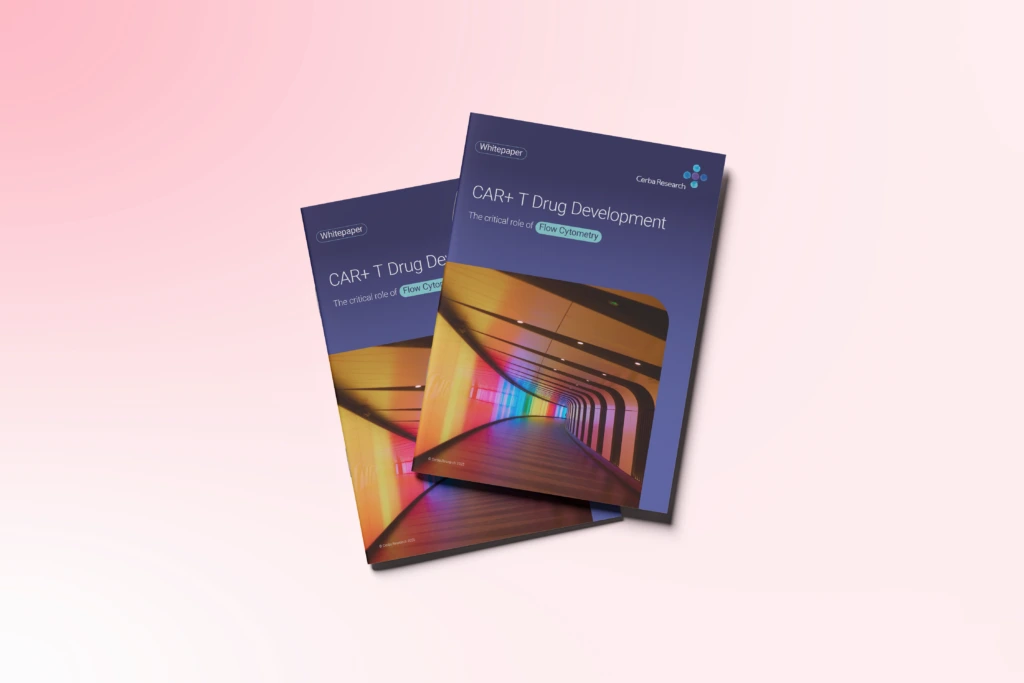
Learn how advanced flow cytometry assays support key activities such as CAR-T cell tracking, biomarker identification, treatment response assessment, and minimal residual disease (MRD) evaluation, helping to generate high-quality data and drive informed decision-making in complex cell therapy trials.
Stay up to date with expert perspectives, industry trends, and practical insights shaping clinical research.
Discover how flow cytometry works in clinical trials, from sample processing to single-cell analysis for biomarker and immune response studies.

Learn how fluorochromes, lasers, and flow cytometers work together to optimize flow cytometry panel design and improve clinical assay performance.

Building an effective clinical flow cytometry assay starts with the right design. Explore biomarker selection, panel optimization, and validation.

Explore peer-reviewed research and scientific contributions that advance knowledge across our areas of expertise.

Keep up with the latest updates from us, including key announcements and upcoming events where you can meet us.

Register for upcoming webinars and access on-demand sessions featuring expert discussions on the latest topics in clinical research.
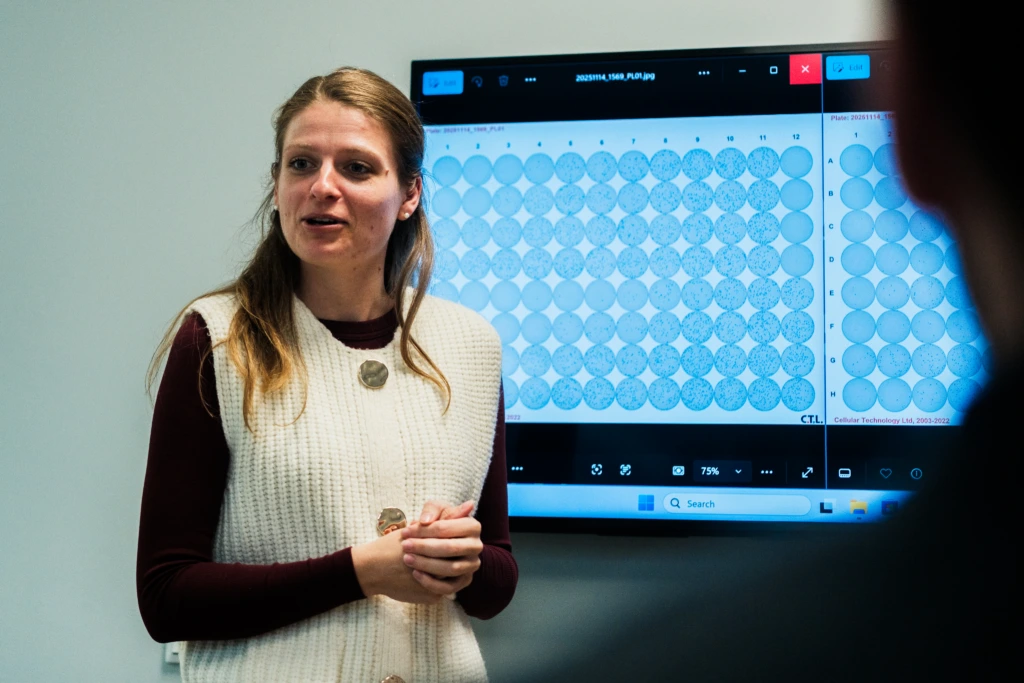
Discover real-world examples of how we support partners in achieving impactful outcomes.
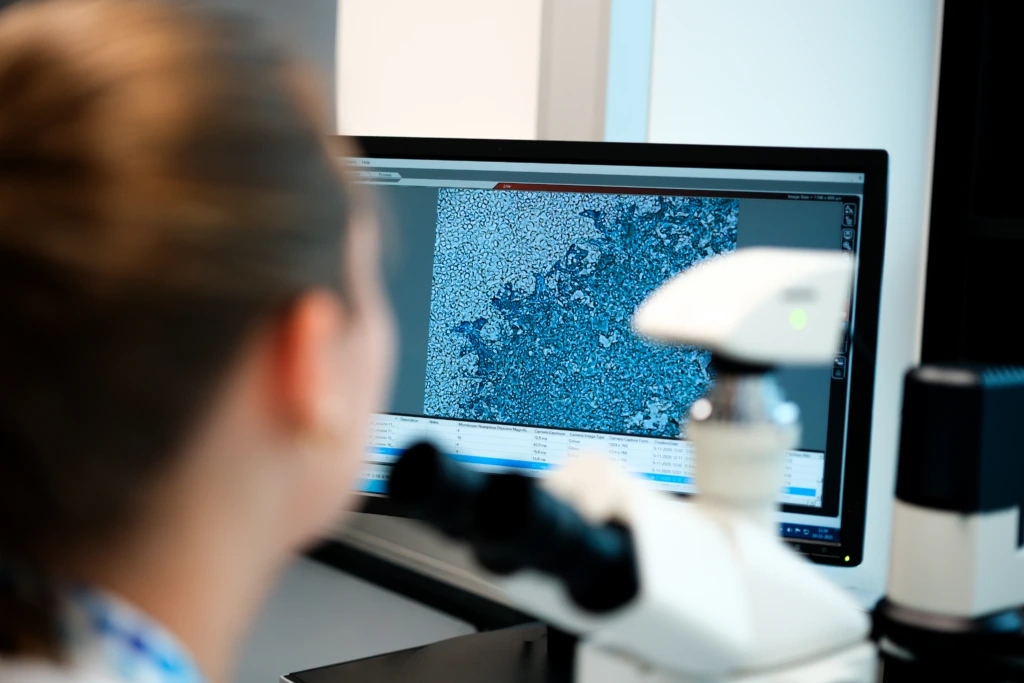
Browse our videos, including tours of our Centers of Excellence around the world.